Food Cost vs Labor Cost: Mastering Restaurant Prime Cost
Food cost and labor cost together consume 55-70% of restaurant revenue. Learn how to balance both and hit your prime cost target for lasting profitability.
Food Cost vs Labor Cost: Mastering Restaurant Prime Cost
For most restaurants, food cost and labor cost together consume 55-70% of every dollar you take in. Understand how these two numbers relate and how to manage them together, and you have the foundation for a financially healthy operation. Let either one drift and the math stops working, no matter how full your dining room is.
What Food Cost and Labor Cost Each Cover
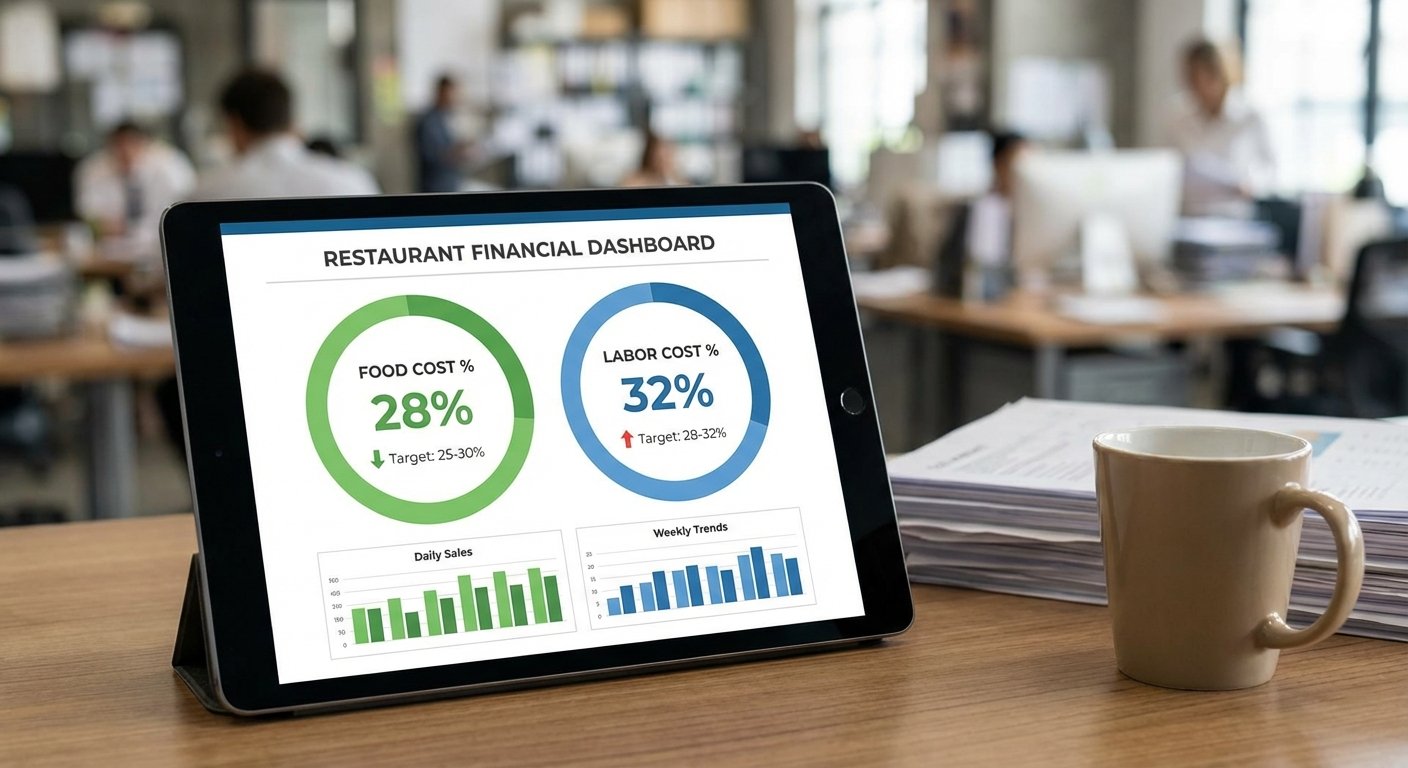
Food cost includes everything you serve: proteins, produce, dairy, dry goods, and beverages -- the actual cost of product on the plate.
Labor cost includes all wages, salaries, payroll taxes, benefits, and workers comp -- everyone from your head chef to your dishwasher.
Together they form prime cost:
Prime Cost = Food Cost % + Labor Cost %
For a healthy full-service restaurant, prime cost should be 55-65% of revenue.
How Food Cost and Labor Cost Interact
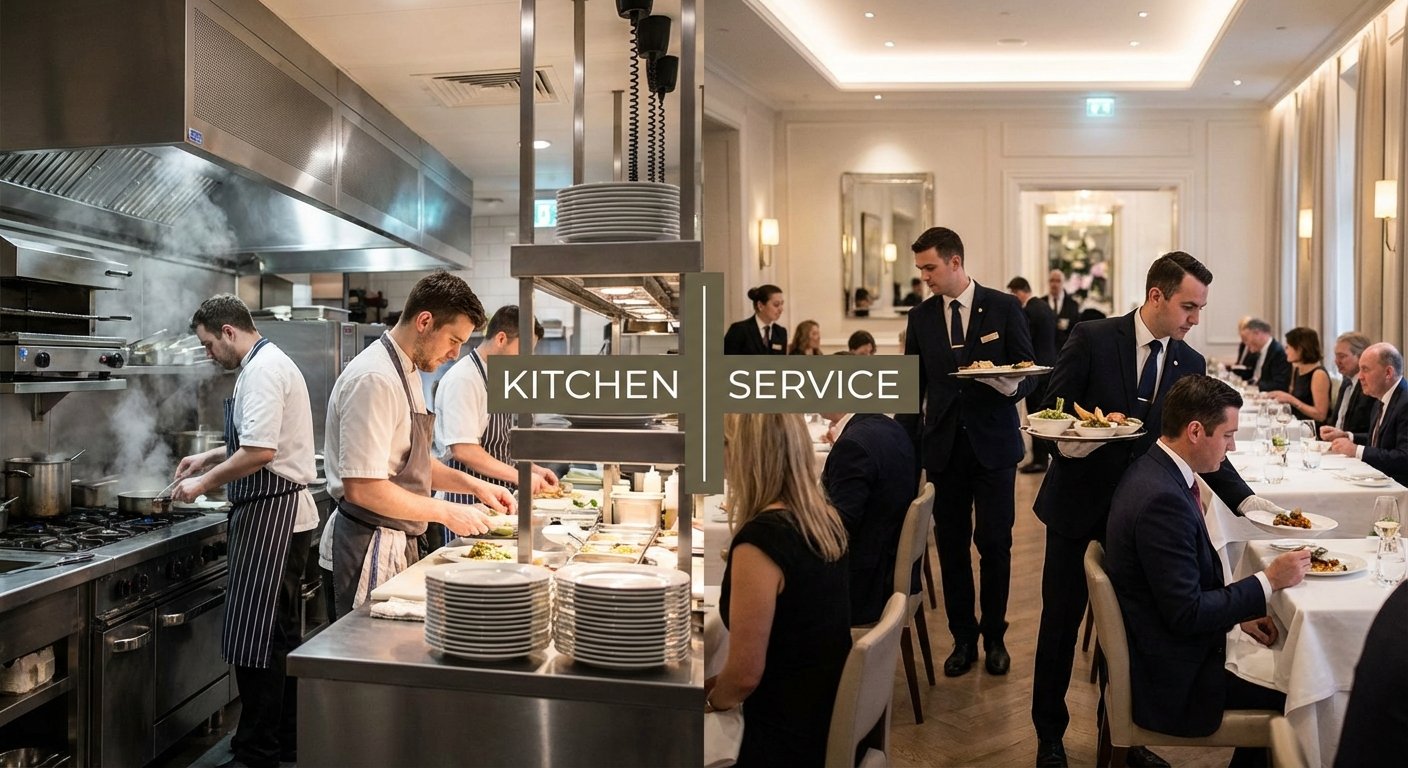
Food cost and labor cost are inversely related in many decisions -- and that is exactly why you must track them together.
High-labor menu items (handmade pasta, intricate garnishes) often carry lower food cost percentages because the value is in the craft, not the ingredients. But labor cost climbs.
Low-labor menu items (a simple roast chicken with pre-made sides) may run higher food cost but are faster and cheaper to execute.
The right question is not "what is my food cost?" -- it is "what is my prime cost?"
Target Ranges by Concept Type
| Concept | Food Cost Target | Labor Cost Target | Prime Cost |
|---|---|---|---|
| Fine dining | 28-32% | 30-35% | 58-67% |
| Casual dining | 30-35% | 28-33% | 58-68% |
| Fast casual | 25-30% | 25-30% | 50-60% |
| QSR | 28-32% | 20-25% | 48-57% |
| Bar / gastropub | 20-28% | 28-35% | 48-63% |
Common Mistakes Operators Make
Cutting food cost while ignoring labor: Cheaper ingredients often require more prep, driving labor up. The savings vanish.
Cutting labor while ignoring food cost: Fewer hands means worse portion control and more waste. Food cost rises to compensate.
Benchmarking against industry averages: Your target must come from your own P&L -- your rent structure, labor model, and concept type.
The Optimization Sequence
- Get accurate food costs (recipe by recipe, including yield adjustments)
- Get accurate labor costs (role by role, shift by shift)
- Calculate your prime cost weekly -- not monthly
- Target whichever side has more variance from your plan
- Make one change at a time and measure the result before moving on
Frequently Asked Questions
What is a good prime cost percentage for a restaurant?
For full-service restaurants, target prime cost is 55-65% of revenue. Fast casual operations aim for 50-60%, and QSR concepts can run as low as 48-55%.
Is food cost or labor cost harder to control?
Both require discipline, but labor cost is often more volatile because it is affected by scheduling, overtime, turnover, and service volume. Food cost is more predictable when you have accurate recipe costing and strong portion control.
How often should I calculate prime cost?
Calculate prime cost weekly. Monthly reporting is too slow -- a creeping prime cost at 70% over eight weeks is recoverable. One that has been above target for six months has built structural habits that are much harder to undo.
Can a restaurant survive with high food cost if labor is low?
Yes -- this is the QSR model. Quick service concepts often run 28-32% food cost but keep labor at 20-25%, achieving sustainable prime costs. The key is that both numbers are managed deliberately.
Ready to take control of your food costs? Try CostLab free for 14 days
Track Food Cost on Every Dish — Automatically
CostLab.AI calculates food cost percentage in real time. Update one ingredient price and see the impact across your entire menu instantly.
Start Free Trial →