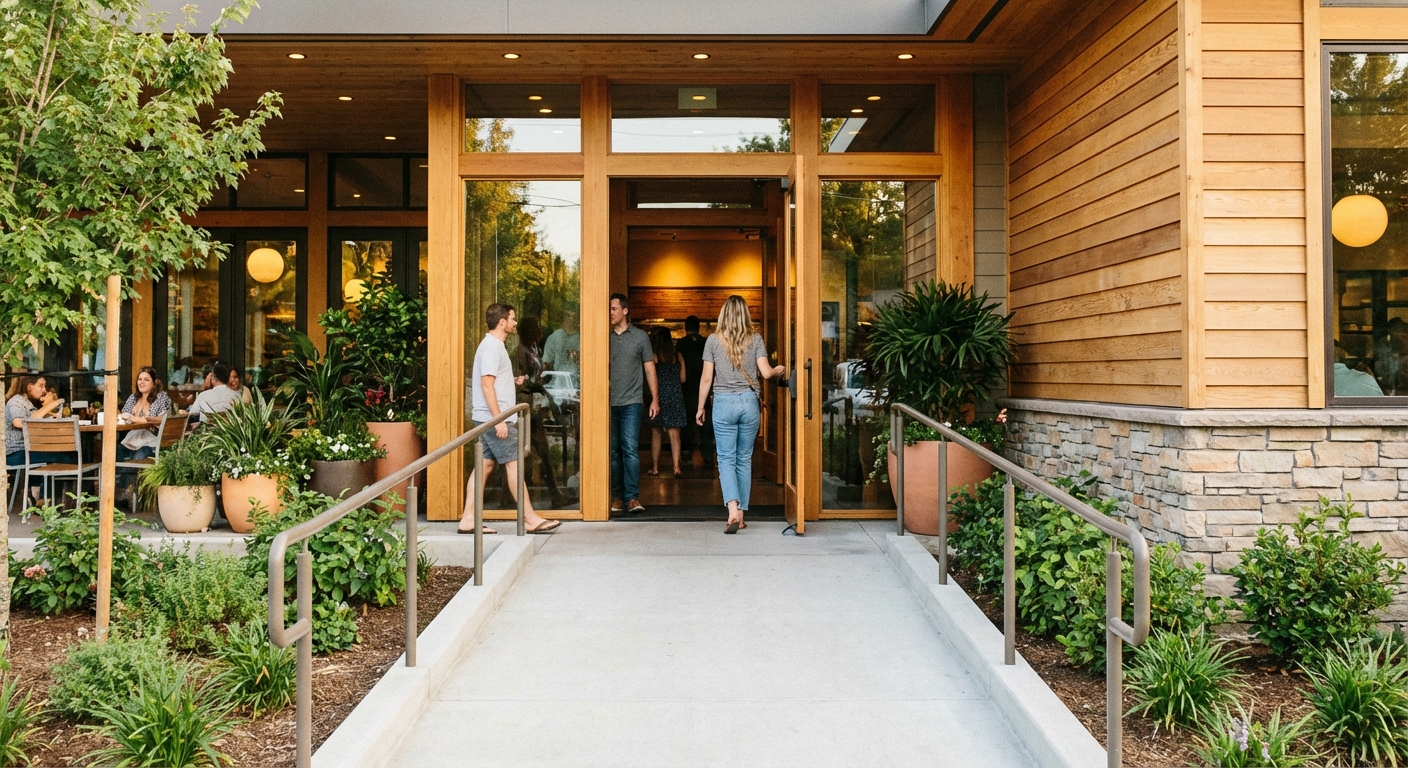
ADA Compliance for Restaurants: Costs and Requirements
ADA compliance for restaurants is federal law. Here's what accessibility requires, what it costs to fix common violations, and what you risk by ignoring it.
ADA Compliance for Restaurants: Costs and Requirements
ADA compliance for restaurants is federal law — not a suggestion. The Americans with Disabilities Act has required places of public accommodation (including restaurants) to be accessible since 1990. Despite this, ADA lawsuits against restaurants remain one of the most common types of small business litigation. Here's what accessibility means, what violations actually cost to fix, and what you risk by ignoring it.
Who Must Comply with the ADA
Every restaurant open to the public must comply with ADA requirements. There is no small-business exemption. However, the standard differs based on when your building was constructed or renovated:
- Buildings constructed after January 26, 1993 — must fully meet ADA Standards for Accessible Design
- Older buildings — must remove barriers where "readily achievable" (reasonable cost without undue burden)
- Any renovation — alterations must comply with current ADA standards in the altered area
The "readily achievable" standard for older buildings is not a free pass. Courts have consistently held that most common ADA fixes are readily achievable for even small restaurants.
The Most Common ADA Violations in Restaurants
These are the violations most frequently cited in ADA lawsuits and inspections:
1. Parking
- Insufficient accessible spaces (1 required per 25 spaces minimum)
- Spaces too narrow (8 feet minimum, 5-foot access aisle)
- Missing or incorrect signage
2. Entrance
- Steps without a ramp or lift alternative
- Door too heavy (5 lbs maximum opening force for interior doors)
- Threshold too high (½ inch maximum for exterior doors)
3. Interior path of travel
- Aisles too narrow (36 inches minimum, 44 inches in high-traffic areas)
- Furniture blocking the accessible route
- Floor surfaces that are slippery or uneven
4. Restrooms
- Missing grab bars
- Toilet not at correct height (17–19 inches)
- Insufficient turning radius for wheelchairs (60-inch circle)
- Sink too high, or no knee clearance underneath
5. Seating
- No accessible seating dispersed throughout the dining room (5% of total seats minimum)
- Fixed seating without accommodation for wheelchair users
What ADA Fixes Actually Cost
Many operators assume ADA compliance is prohibitively expensive. Most common fixes cost far less than a lawsuit:
| Fix | Typical Cost |
|---|---|
| Portable ramp (exterior step) | $200–$800 |
| Door hardware change (lever handles) | $50–$200 per door |
| Accessible parking signage | $150–$400 |
| Grab bars in restroom | $200–$600 installed |
| Restroom reconfiguration (major) | $5,000–$25,000 |
| Full accessible ramp construction | $3,000–$15,000 |
A proactive accessibility audit typically costs $500–$1,500 and identifies every issue before someone else does.
What You Risk by Ignoring ADA Compliance
The ADA is actively enforced through:
- Private lawsuits — any person with a disability who encounters a barrier has standing to sue
- DOJ investigations — particularly for persistent complaints or patterns
- State law claims — California, New York, and Florida have state disability laws with additional penalties
Typical ADA lawsuit costs:
- Settlement range: $5,000–$50,000 for small restaurants
- Attorney fees: the ADA requires the defendant to pay plaintiff's attorney fees if they lose
- Remediation costs: whatever fixes are required, plus compliance monitoring
Serial ADA plaintiffs — attorneys who send clients to document violations and file batches of suits — are common in California, Florida, and other high-litigation states. A proactive audit is far cheaper than defending even a meritless lawsuit.
How to Get Compliant
Steps to get ADA compliant:
- Hire an ADA consultant or accessibility architect for a site audit ($500–$2,000)
- Prioritize fixes by frequency of guest impact and cost to remediate
- Address exterior barriers first — parking, entrance, and path of travel
- Fix restrooms — highest-frequency lawsuit trigger
- Document everything — keep records of your audit and remediation for your defense file
FAQ: ADA Compliance for Restaurants
Is my small restaurant exempt from ADA requirements?
No. There is no small business exemption to the ADA. Older buildings are held to a "readily achievable" standard (reasonable fixes given your resources), but virtually all restaurants are required to meet basic accessibility requirements.
How much does ADA compliance cost for a restaurant?
It depends on your current state. Many restaurants can address the most common violations for $2,000–$10,000. Significant structural issues (major restroom remodel, permanent ramp construction) can run $10,000–$30,000. A proactive audit is the best first step.
What's the most common ADA lawsuit trigger for restaurants?
Restroom accessibility is the most frequent trigger — specifically missing grab bars, incorrect toilet height, and insufficient turning radius. Parking and entrance accessibility are the second most common issues cited.
Can I be sued even if I'm trying to fix ADA issues?
Yes. Intent and effort don't eliminate liability for existing barriers. However, documented good-faith compliance efforts — including an audit, remediation plan, and phased improvements — reduce legal exposure and support settlement negotiations if a complaint arises.
Ready to take control of your food costs? Try CostLab free for 14 days →
Track Food Cost on Every Dish — Automatically
CostLab.AI calculates food cost percentage in real time. Update one ingredient price and see the impact across your entire menu instantly.
Start Free Trial →