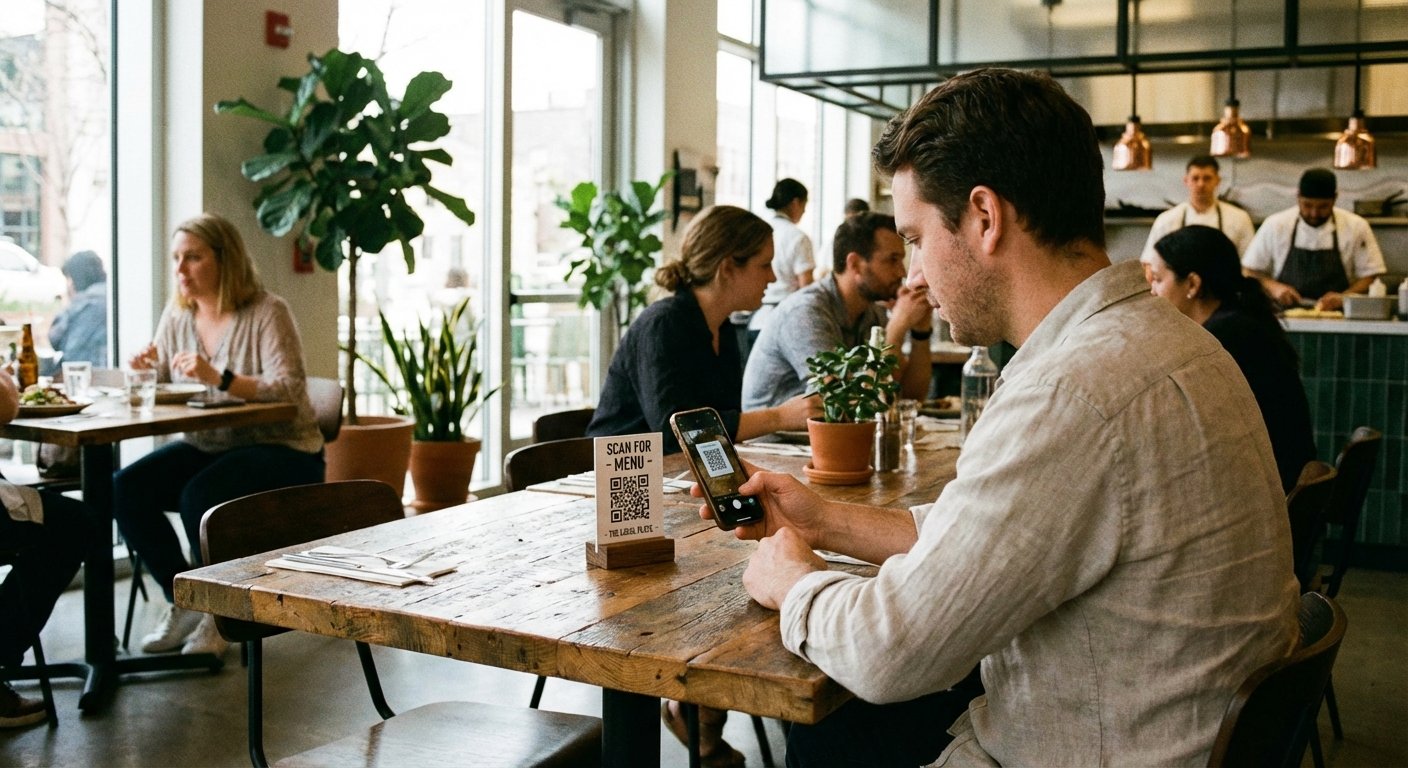
Digital Menus and QR Codes: Pros, Cons, and What Guests Think
QR code menus save printing costs and allow real-time updates — but 61% of diners still prefer physical menus. Here's how to make the right call for your restaurant.
Digital Menus and QR Codes: Pros, Cons, and What Guests Think
QR code menus surged during COVID-19 as a contactless solution and became standard at thousands of restaurants. Now that dining has fully normalized, the data is clear: most guests still prefer physical menus — but QR codes have genuine advantages in specific situations. Here's how to make the right call for your restaurant.
What the Data Says About Guest Preferences
Multiple studies since 2022 show a consistent picture:
- 61% of diners prefer physical menus over QR codes
- 18% of diners say they've left or avoided a restaurant due to QR-only menus
- Guests 55+ are significantly more negative about QR menus
- Guests 18–34 are largely indifferent or slightly positive
The preference gap is not closing quickly. Three years post-COVID, QR menus still generate more friction with most dining demographics than physical menus.
The Real Advantages of QR Code Menus
Zero printing cost. A restaurant printing 100 menus every 3–4 months (seasonal updates, price changes) spends $300–800/year. With QR codes: zero.
Instant updates. Change a price, add a special, 86 an item — it's live immediately. No crossed-out items or outdated information.
Analytics. Some digital menu platforms show which items are viewed most, how long guests spend on different sections, and ordering patterns after viewing specific items. Physical menus can't provide this.
Menu translations. A QR menu can automatically offer multiple languages without printing separate menus.
No physical storage or cleaning. QR codes require nothing physical to maintain or replace.
The Real Disadvantages of QR Code Menus
Friction with older guests. A 65-year-old guest without a smartphone will have a frustrating experience if you're QR-only. This demographic often has higher average checks and more discretionary spending.
Battery and connectivity issues. "My phone died" and "I can't get WiFi" both require staff intervention. Always have a physical backup.
Reduced impulse ordering. Physical menus are browsable — guests flip pages, discover items they didn't know they wanted. Digital menus require active scrolling and searching. Research suggests guests order fewer courses with digital menus, leading to lower check averages.
The brand experience problem. A beautifully designed physical menu communicates quality and investment in the guest experience. A QR code pointing to a generic platform does not.
The Hybrid Model: Best of Both
Most restaurants are better served by keeping physical menus for table service while using QR codes for specific use cases.
QR works best for:
- Daily specials boards (updated frequently, QR links to that day's specials)
- Drink menus (change often, high benefit from real-time updates)
- To-go and delivery menus
- Large party situations where distributing 20 menus is cumbersome
Physical menus work best for:
- Regular dinner table service
- Restaurants serving guests 45+
- Any restaurant where menu design is part of the brand experience
- Bar menus where guests are seated for extended periods
If You Go QR, Do It Right
Use a restaurant-specific platform. Avoid Google Docs or PDFs. Platforms like Bopple, Popmenu, and SpotMenu are mobile-optimized and easy to update.
Make images prominent. Guests on digital menus are more likely to order items with appealing photos. Invest in food photography if you go digital.
Keep load time under 2 seconds. A menu requiring 5 seconds to load or a sign-in will generate complaints. Test on multiple phone types before using in service.
Always have a physical fallback. Print at least one laminated backup for guests who can't or won't use the QR code. Don't make guests feel embarrassed about asking for it.
Frequently Asked Questions
Do QR code menus reduce check average?
Research suggests yes — guests using digital menus tend to order fewer courses because digital formats require active searching rather than passive browsing. However, the impact varies by restaurant concept and how well the digital menu is designed with upsell prompts.
How much do digital menu platforms cost?
Restaurant-specific digital menu platforms like Popmenu and SpotMenu typically cost $99–199/month. Basic QR code generators are free, but they lack analytics, mobile optimization, and update features that justify using a dedicated platform.
Should I use a QR code or a physical menu?
For most casual and fine dining restaurants: use physical menus as the primary experience and QR codes for specials, drinks, or to-go. The 61% preference for physical menus means defaulting to QR-only costs you in guest experience and potentially in check average.
Ready to take control of your food costs? Try CostLab free for 14 days →
Track Food Cost on Every Dish — Automatically
CostLab.AI calculates food cost percentage in real time. Update one ingredient price and see the impact across your entire menu instantly.
Start Free Trial →