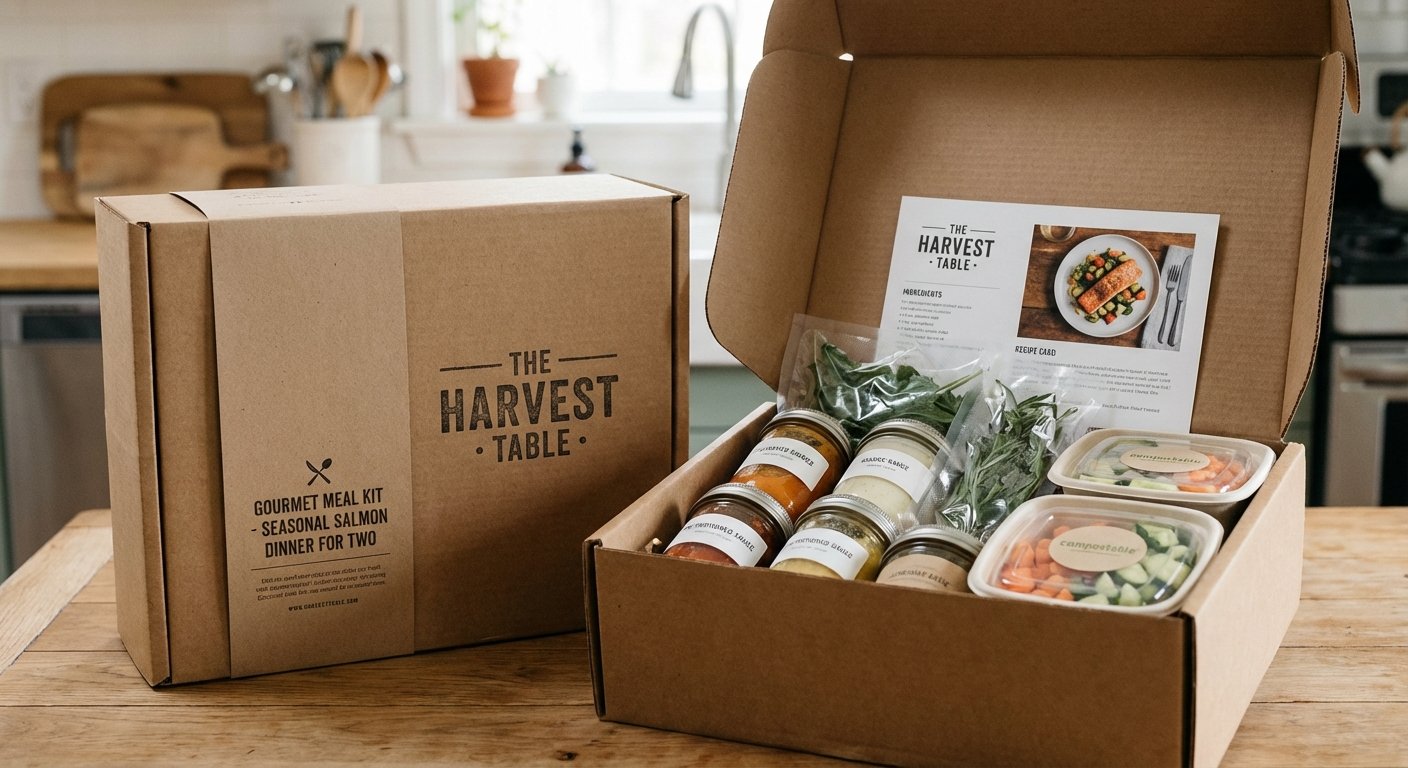
Restaurant Meal Kits: How to Add Take-Home Kits to Your Revenue Mix
Restaurant meal kits generate $3,000–8,000/month in incremental revenue. Learn the economics and how to launch without disrupting your kitchen.
Restaurant Meal Kits: How to Add Take-Home Kits to Your Revenue Mix
Restaurant meal kits combine two things guests want: your food and the experience of making it at home. During COVID-19 dining room closures, dozens of independent restaurants launched meal kit programs that not only survived the shutdown but became permanent revenue streams generating $3,000–8,000/month.
Here's how meal kits work economically and how to build a program that doesn't consume your kitchen.
The Meal Kit Revenue Model
A restaurant meal kit typically includes:
- Pre-measured, pre-prepped ingredients for a 2–4 person meal
- A recipe card with step-by-step instructions (simpler than how you actually make it)
- Branded packaging
Example economics (2-person pasta kit, $45 retail):
| Cost Item | Per Kit |
|---|---|
| Ingredients | $12.00 |
| Packaging (insulated bag, cold pack, boxes) | $4.00 |
| Recipe card printing | $0.50 |
| Labor (15 min x $18/hr) | $4.50 |
| Total cost | $21.00 |
| Revenue | $45.00 |
| Gross margin | 53.3% |
Compare this to dine-in food cost of 28–34%. Meal kits add packaging and labor, but they capture revenue from customers who weren't coming in that week. The incremental margin vs. zero is 100%.
What Works Best as a Meal Kit
Signature dishes guests already request. When guests ask "Can I buy this to take home?"—that's your meal kit.
Multi-component dishes that showcase technique. A simple burger isn't a meal kit. Braised short rib with gremolata and cheesy polenta is. Guests feel like they're cooking something elevated.
Globally-inspired dishes with hard-to-source ingredients. A Thai larb kit with galangal, kaffir lime leaves, and fish sauce commands premium pricing and high perceived value.
Pricing Your Kits for Maximum Margin
Price based on value, not food cost percentage. A 2-person meal kit at $40–65 competes against:
- A delivery order for 2 ($50–70 with fees)
- Blue Apron or HelloFresh ($40–50 for a 2-person kit)
- Going out to dinner ($70–120 for 2)
Your kit has a story advantage: it's from an actual restaurant, with your chef's recipe, using ingredients your kitchen already stocks. Price at the mid-to-high end of this range.
At $55 for a 2-person kit with $21 in total cost, your net is $34 per kit. At 20 kits/week, that's $680/week ($2,720/month) with packaging and labor as the primary incremental costs.
Weekly Subscription vs. On-Demand vs. In-Restaurant Pickup
Weekly kit subscription (most profitable, most complex): Customers subscribe to receive a kit weekly. Predictable revenue, predictable production volume. Requires subscription management software. Best for restaurants with a strong loyal following.
On-demand via website or marketplace (easiest to start): List kits on your website, Goldbelly, or DoorDash. More variable revenue but lower logistics burden. Good for testing demand.
In-restaurant pickup (best margin): No delivery cost, no platform fees. Customers order online, pick up at the restaurant. Launch as a Thursday–Saturday pickup window to start.
Execution: Keep It Simple
The most common meal kit failure mode is over-engineering. A kit requiring 45 minutes of active cooking is frustrating. A kit that produces impressive results in 25 minutes is a hit.
Test your recipe cards on non-cooks. If they struggle with any step, simplify the instructions or do more prep work in your kitchen.
Start with plain packaging. A brown box with a printed insert works for launch. Custom-branded packaging comes later when volume justifies the setup costs.
Frequently Asked Questions
Do I need a special license to sell meal kits?
In most states, selling pre-prepped meal kits from your licensed commercial kitchen is permitted. If you're shipping across state lines, additional FDA labeling requirements apply. Check with your local health department.
How do I handle food safety for meal kits?
Include cold packs and insulated packaging for proteins or dairy. Label each kit with the use-by date (typically 3–4 days refrigerated). Include storage instructions on the recipe card.
What's the minimum viable volume for a meal kit program?
Even 10–15 kits per week generates meaningful incremental revenue ($400–700+/week) with minimal kitchen disruption. Start small to test before scaling.
Ready to take control of your food costs? Try CostLab free for 14 days →
Track Food Cost on Every Dish — Automatically
CostLab.AI calculates food cost percentage in real time. Update one ingredient price and see the impact across your entire menu instantly.
Start Free Trial →