Restaurant Prime Cost Explained: Why It Drives Everything
Prime cost is the sum of food cost and labor cost -- the two largest controllable expenses in any restaurant. Learn what it is, what targets to hit, and how to reduce it.
Restaurant Prime Cost Explained: Why It Drives Everything
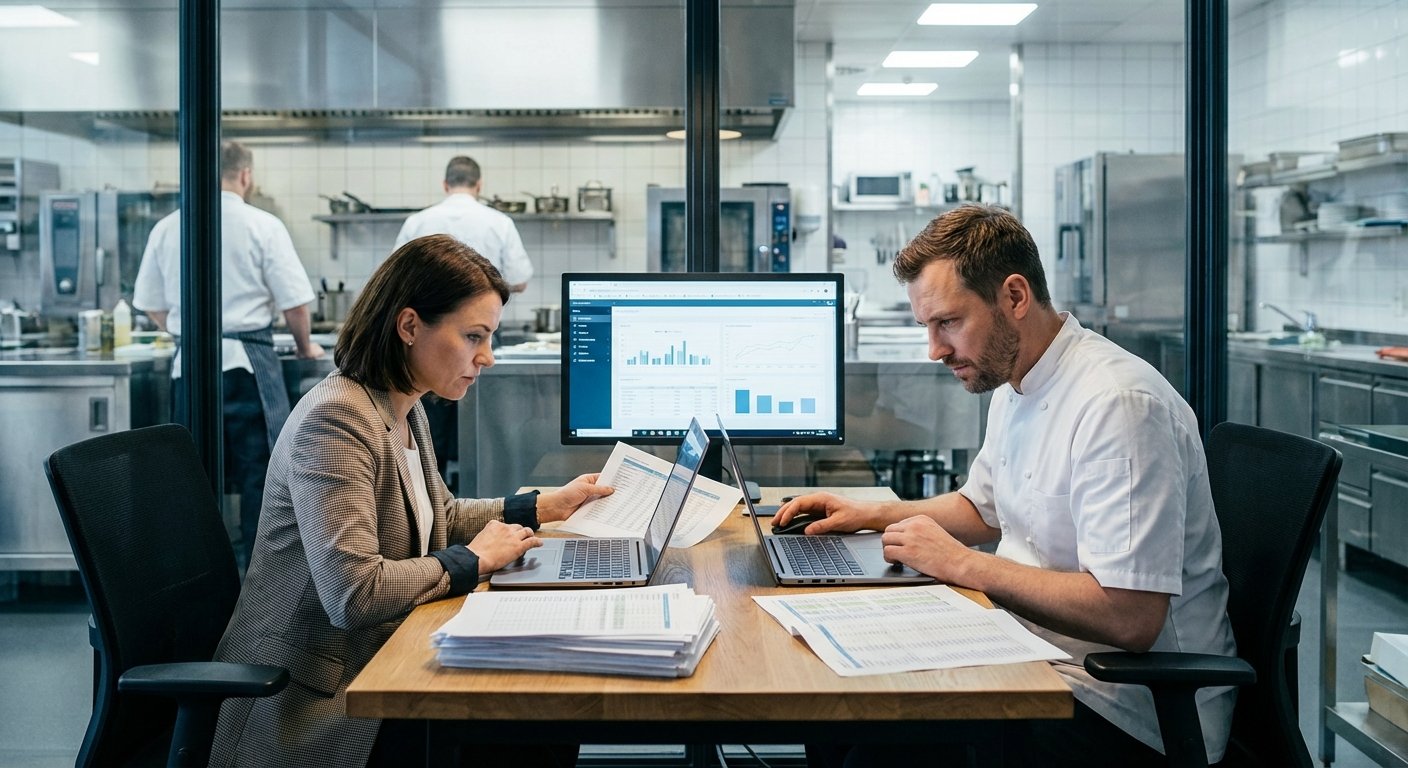
Restaurant prime cost is the single most important financial metric you can track. It is the sum of your two largest controllable expenses -- cost of goods sold and total labor -- and it tells you more about your restaurant's financial health than any other number.
Prime Cost = Cost of Goods Sold (Food + Beverage) + Total Labor Costs
Labor includes wages, salaries, payroll taxes, benefits, and workers compensation. For most full-service restaurants, prime cost runs 55-65% of total revenue. Everything else -- rent, utilities, marketing, supplies -- must fit in the remaining 35-45%.
Why Prime Cost Matters More Than Food Cost Alone
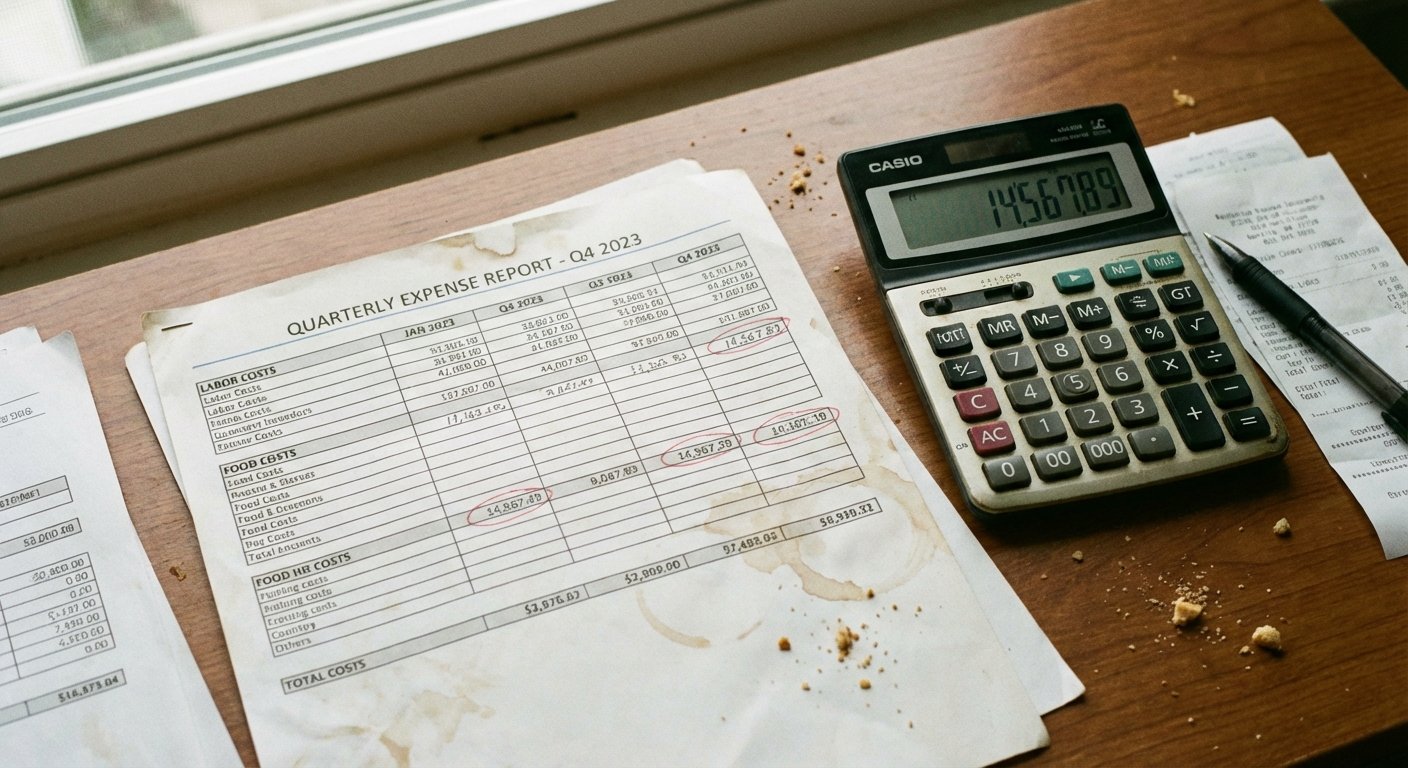
Food cost in isolation is misleading. A restaurant can run 28% food cost and still fail if labor is at 42%.
Example:
- Restaurant A: 32% food cost + 28% labor = 60% prime cost (sustainable)
- Restaurant B: 28% food cost + 40% labor = 68% prime cost (bleeding)
Restaurant B looks better on food cost. Restaurant B is losing money.
Prime Cost Targets by Restaurant Type
| Concept Type | Target Prime Cost |
|---|---|
| Full-service (casual/fine dining) | 55-65% |
| Fast casual | 50-60% |
| Counter service / QSR | 45-55% |
| Bar / nightclub | 40-50% |
These are pre-rent targets. If your rent exceeds 8% of revenue, compress toward the lower end of these ranges.
How to Reduce Prime Cost
On the food side:
- Tighten portions to standard -- weigh proteins at every station
- Update recipe costs monthly so price increases do not erode margins silently
- Remove or reprice dishes that consistently run above your food cost target
On the labor side:
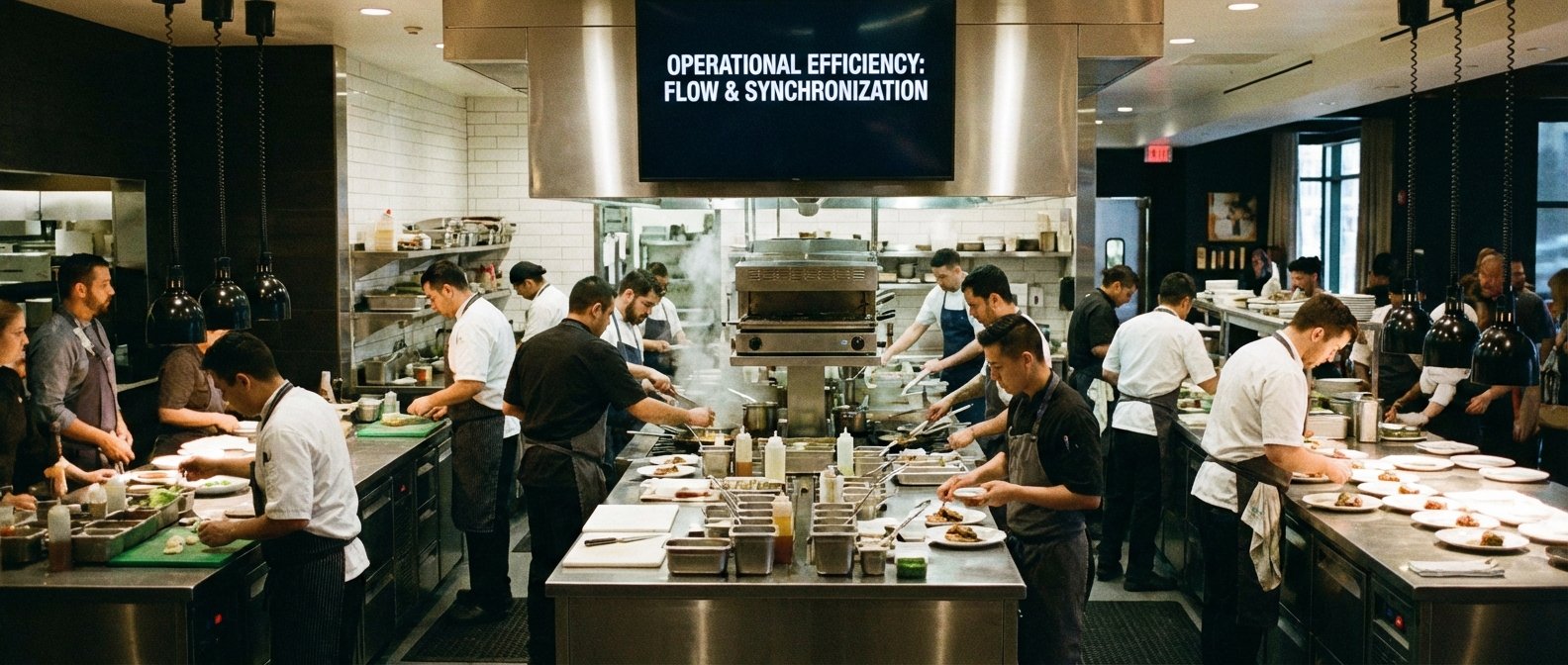
- Match staffing levels to cover counts based on data, not habit
- Cross-train staff so you can run leaner on slow shifts
- Reduce overtime -- it is the most expensive labor you can buy
The trap to avoid: Cutting food cost and labor cost simultaneously often degrades the guest experience. Pick one, optimize it, measure the result, then move to the other.
How to Track Prime Cost
Calculate prime cost weekly. Food cost is based on actual product received. Labor comes from your payroll system.
Weekly tracking catches problems in time to fix them. A prime cost that creeps from 60% to 66% over eight weeks is recoverable. One that has been at 70% for six months has built structural losses that are much harder to reverse.
Frequently Asked Questions
What is included in restaurant prime cost?
Prime cost includes: (1) Cost of goods sold -- all food and beverage purchases, and (2) Total labor costs -- wages, salaries, payroll taxes, benefits, and workers compensation. Rent, utilities, and other overhead are NOT included in prime cost.
What prime cost is too high for a restaurant?
A prime cost above 65-70% for a full-service restaurant is a serious warning sign. At 70%, you are leaving only 30% of revenue to cover rent, utilities, insurance, repairs, marketing, and profit -- which is almost never enough.
How is prime cost different from gross profit?
Gross profit = Revenue minus cost of goods sold only. Prime cost adds labor to COGS. Prime cost gives a more complete picture of your controllable expenses because labor is just as manageable as food cost.
Can I have a low prime cost but still lose money?
Yes. Prime cost covers only food and labor. Even with 55% prime cost, you can lose money if rent, utilities, and debt service are too high. Prime cost is necessary but not sufficient -- you still need to track the full P&L.
Ready to take control of your food costs? Try CostLab free for 14 days
Track Food Cost on Every Dish — Automatically
CostLab.AI calculates food cost percentage in real time. Update one ingredient price and see the impact across your entire menu instantly.
Start Free Trial →