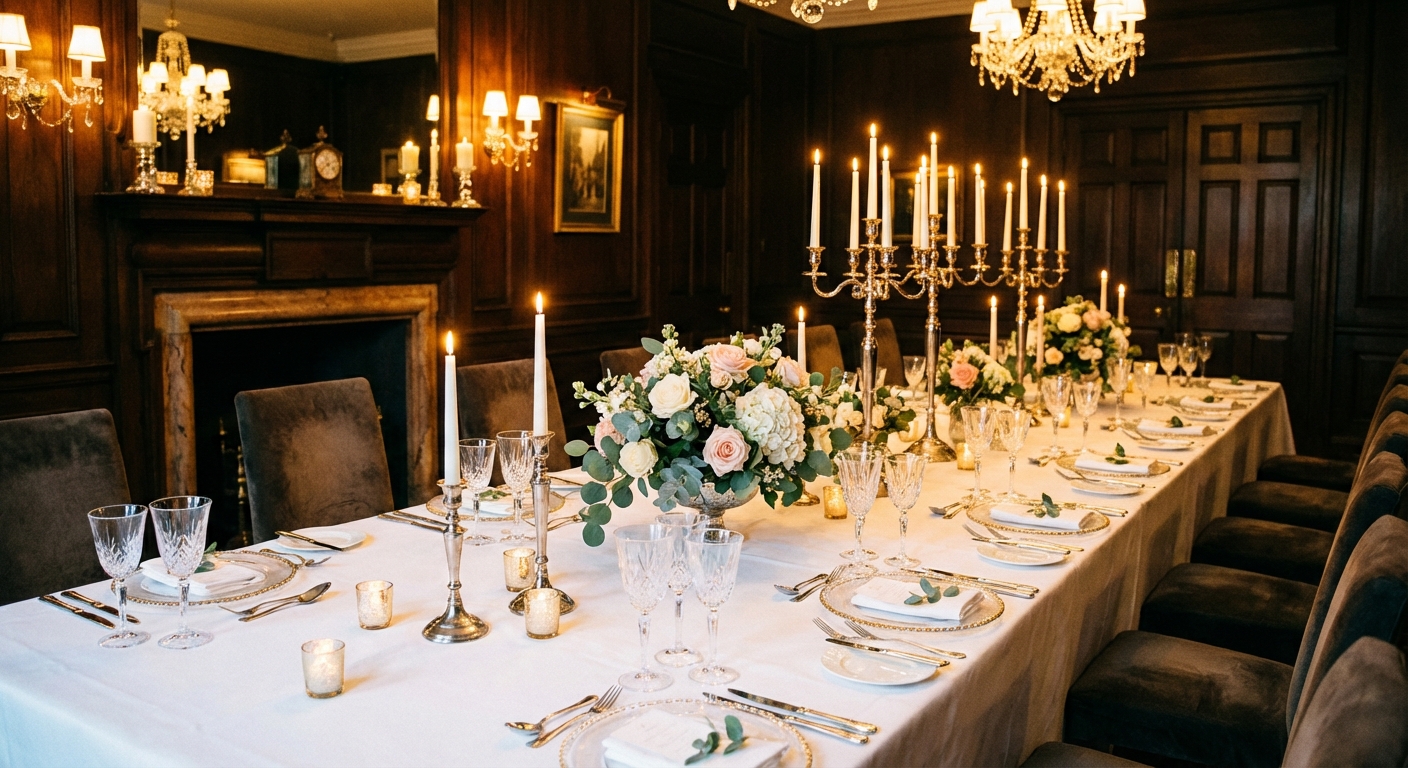
How to Host a Profitable Private Dining Event
Private dining events can generate $4,000–$8,000 in one night. Here's how to price, contract, and execute them profitably every time.
How to Host a Profitable Private Dining Event
A well-executed private dining event can generate more revenue in one night than three average weekend services. A 40-seat restaurant running a private buyout can bring in $4,000–$8,000 in a single evening — often with higher margins than regular service because you're pre-selling a fixed menu at a set price.
But private events are easy to mess up. Unclear agreements, surprise costs, last-minute headcount changes, and no-shows can turn a profitable evening into a stressful money-loser. This guide walks you through the entire process: from the first inquiry call to collecting final payment.
Step 1: Qualify Before You Quote
When someone contacts you about a private event, resist the urge to immediately quote a price. First, gather information.
Questions to ask on the first call or email:
- Date and time — is it available, what are the start and end times?
- Guest count — approximate number, will it fluctuate?
- Type of event — birthday, corporate dinner, rehearsal dinner, baby shower?
- Food and beverage preferences — dietary restrictions, buffet vs. plated, open bar vs. wine only?
- Budget — "Do you have a per-person budget in mind?" saves everyone time
- Exclusivity — full restaurant buyout or a private room/section?
A party of 20 asking for a Saturday night buyout during your busiest service is a completely different calculation than 20 guests in your private room on a Tuesday. Know what you're giving up before you quote.
Step 2: Calculate What the Event Actually Costs You
Food cost: A three-course prix fixe at $65/person for 30 guests at 28–32% food cost = $540–$630 in food.
Labor cost: A 30-person plated dinner might need 1 lead server + 2 servers ($315 base wages) + 1 line cook + 1 dishwasher ($240) = ~$555 total extra labor.
Opportunity cost: If it's Saturday night and you'd normally net $810 in profit from regular service, a buyout needs to beat that.
Minimum Spend Formula:
Minimum Spend = (Food cost + Labor + Opportunity cost) ÷ (1 – target margin)
For the Saturday example at 15% margin: ($630 + $555 + $810) ÷ 0.85 = $2,935 minimum — about $98/person before tax and gratuity.
Step 3: Build Standard Private Dining Packages
Don't quote every event from scratch. Create 2–3 packages that make it easy for clients to say yes.
Bistro Package — $65/person
- Two-course plated menu (choice of 2 appetizers, 3 entrées)
- Non-alcoholic beverages included
- Room available for up to 3 hours
- Minimum 15 guests, Monday–Thursday only
Premier Package — $95/person
- Three-course plated menu (chef's selection with one dietary alternative)
- Beer, wine, and soft drinks included
- Dedicated server
- Minimum 20 guests, any day
Exclusive Buyout — from $3,500
- Full restaurant exclusive use
- Custom menu with executive chef
- 5-hour window
Always list what's not included (AV equipment, cake cutting fees, custom linens). Being explicit reduces disputes.
Step 4: The Private Dining Contract
Never host a private event without a signed contract. This is where most restaurant owners leave themselves exposed.
What your agreement must include:
- Date, start time, and end time (including setup and cleanup windows)
- Confirmed minimum and maximum guest count
- Menu details and any allowed modifications
- Pricing — per-person rate, minimum spend, included vs. add-on items
- Deposit — 25–50% upfront, non-refundable within X days
- Cancellation policy: 30+ days notice (full refund), 15–29 days (50% refund), 14 days or less (no refund)
- Final headcount deadline — typically 5–7 days before the event
- Gratuity — 18–20% service charge is standard for private events
- Payment terms — when is final balance due?
Get a deposit before blocking the date. A verbal commitment means nothing when someone books a $5,000 Saturday night and cancels three days before.
Step 5: Kitchen and FOH Coordination
2–3 weeks before: Confirm menu with kitchen team, order special ingredients, confirm dietary restrictions in writing.
1 week before: Confirm final headcount, finalize staffing plan, walk through event flow with FOH lead.
Day before: Prep mise en place, set up private space if possible, brief all staff on menu, timeline, and who the host is.
Step 6: The Final Invoice
Present a clear, itemized invoice at the end of the event or within 24 hours.
| Item | Amount |
|---|---|
| 28 guests × $65/person | $1,820.00 |
| Hosted bar (per consumption) | $340.00 |
| Gratuity (20%) | $432.00 |
| Sales tax (8.5%) | $183.87 |
| Total | $2,775.87 |
| Deposit paid | –$750.00 |
| Balance due | $2,025.87 |
Send it digitally with a payment link. The faster you make it easy to pay, the faster you collect.
Frequently Asked Questions
What's a reasonable minimum spend for a private dining event?
Calculate food cost + labor + opportunity cost, then divide by your target margin. For most restaurants, this works out to $75–$125/person for weeknight events and more on weekends when you're giving up prime service time.
Should I require a deposit for private dining events?
Always. A deposit of 25–50% is standard. Non-refundable deposits within 14 days of the event protect you from last-minute losses. Without a deposit, you have no protection when someone cancels the week before.
How do I price a restaurant buyout vs. a private room?
A full buyout needs to cover your total opportunity cost — what you'd normally earn in a typical service — plus food, labor, and a profit margin. A private room booking has a lower minimum because you're still running regular service in the rest of the restaurant.
How do I build a reputation for private dining?
Past clients are your best source. Send a thank-you note after every event and follow up 2 weeks later. Corporate event planners who find a reliable venue reuse it for years — one great corporate dinner can turn into 10 annual bookings.
Ready to take control of your food costs? Try CostLab free for 14 days →
Track Food Cost on Every Dish — Automatically
CostLab.AI calculates food cost percentage in real time. Update one ingredient price and see the impact across your entire menu instantly.
Start Free Trial →