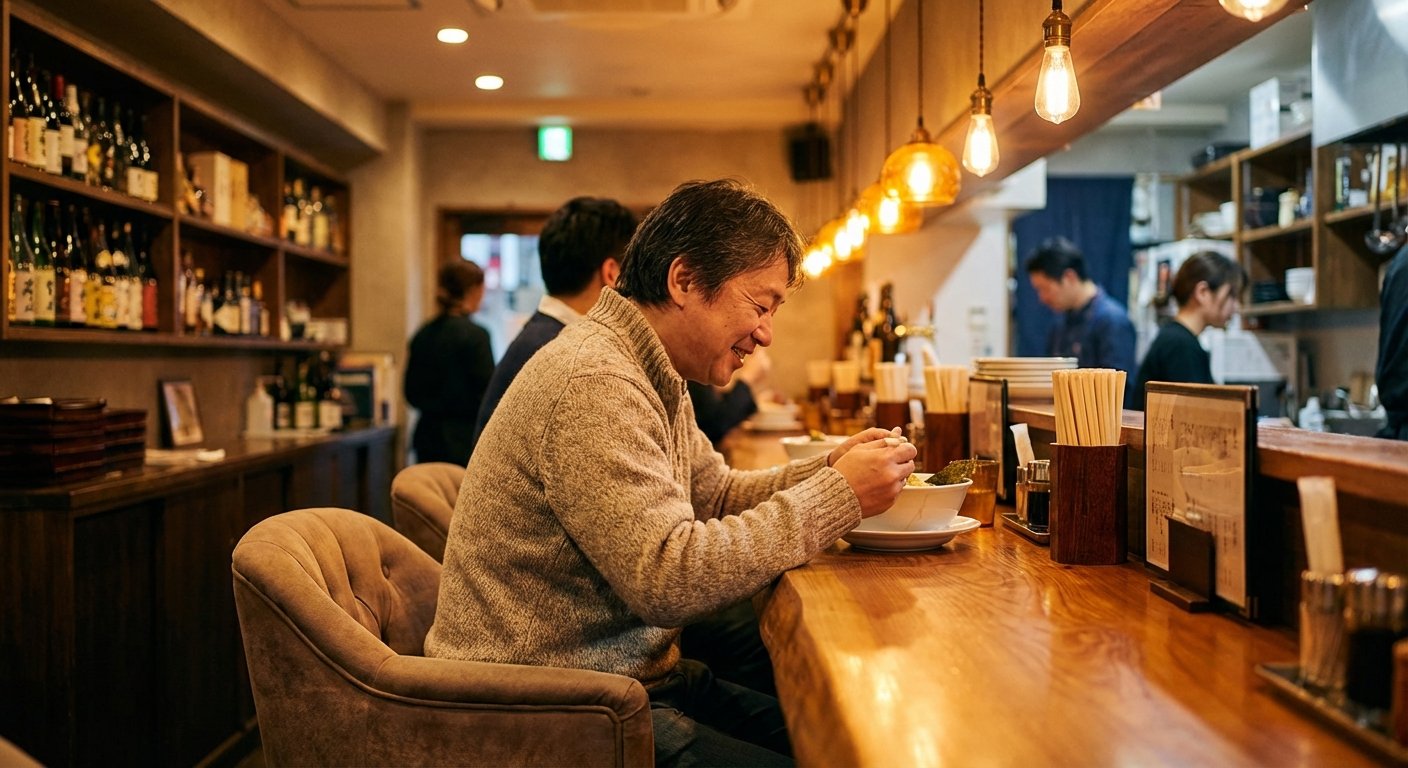
Solo Dining Trend: Optimize Your Restaurant for Single Diners
Solo diners are the fastest-growing dining segment — up 27% since 2019. Here's how to capture their business profitably with the right seating and service approach.
Solo Dining Trend: Optimize Your Restaurant for Single Diners
Solo dining is one of the fastest-growing segments in the restaurant industry. OpenTable reported a 27% increase in solo dining reservations between 2019 and 2023. In urban markets, solo diners now represent 12–18% of covers at many casual and upscale casual restaurants — yet most restaurants are still designed for parties of two or more.
A single diner at a 4-top is a RevPASH problem. Optimizing for solo diners means capturing their business profitably rather than losing money on every one-top.
Why Solo Diners Are Underserved
The average restaurant handles a solo diner awkwardly:
- The host seats them at a large table, wasting seating capacity
- Servers interact less frequently, assuming the guest wants to be left alone
- The environment assumes conversation is happening — music is background, not foreground
- There's nowhere comfortable to sit at the bar if the guest isn't a bar person
The result: the solo diner has a transactional experience, spends less, tips less, and doesn't return. That's a missed relationship worth building.
The Revenue Math on Solo Diners
A 4-top table generates a $140 average check (4 guests × $35). A solo diner at the same table generates $45. Seat productivity ratio: 32%.
The key insight: Solo diners at bar counters or dedicated counter seating generate higher RevPASH than large tables because:
- Counter seats turn faster (shorter dining duration)
- They're purpose-built for 1 person (no wasted space)
- Bar interaction naturally encourages additional drink orders
Example calculation: A solo diner at your bar for 45 minutes, spending $55 (entrée + 2 drinks), generates a RevPASH of $73.33 per seat-hour — competitive with your busiest table on a Friday night.
Physical Changes That Work
Bar counter seating. If your bar has stools, that's already your best solo dining asset. Ensure stools are comfortable for a full meal (not just drinks), the bar surface is clean and inviting, and there's room for a plate and a drink.
Window counter seating. A row of 4–6 individual seats facing the street serves solo diners perfectly and creates an appealing architectural element. These are often the highest-RevPASH seats in the restaurant when properly utilized.
2-top tables near the action. Solo diners often prefer being near the energy of the room rather than isolated in a corner. A 2-top near the bar or kitchen pass feels less exposed than a large table in the middle of the dining room.
Service Adjustments for Solo Diners
Don't remove the second place setting dramatically. Sweeping it away conspicuously highlights that the guest is alone. Clear it quietly.
Check in more, not less. Solo diners without a companion to talk to often welcome more server interaction. Ask about the meal, make a recommendation. That connection increases beverage orders and tips.
Offer reading material. Some restaurants keep magazines, newspapers, or books available. This removes the "what do I do with myself" anxiety some solo diners experience.
Make WiFi fast and accessible. Many solo diners work or read on their phone or laptop. Fast WiFi and nearby power outlets make them comfortable — comfortable solo diners order more drinks and stay more engaged.
Marketing Your Restaurant to Solo Diners
Mention solo dining explicitly on your website. "We welcome solo diners at our bar and counter — great seats, excellent sightlines, and our staff loves the conversation." Many solo diners Google "restaurants good for eating alone [city]" and choose places that explicitly welcome them.
Reservation platforms. Resy and OpenTable both allow marking specific seats as "solo friendly." Flagging your bar or counter seats captures searchers looking for exactly that.
Frequently Asked Questions
Are solo diners profitable for restaurants?
Yes, when seated correctly. A solo diner at a purpose-built bar or counter seat generates strong RevPASH because counter seats turn faster and bar interaction encourages additional drink orders. The problem is solo diners at large 4-top tables — that's where you lose money.
How do I attract more solo diner customers?
Add explicit solo dining language to your website ("bar seating for solo diners"), mark counter seats as solo-friendly on reservation platforms, and train staff to provide more — not less — service interaction to solo guests.
What percentage of restaurant guests dine alone?
Solo diners now represent 12–18% of covers at many urban casual and upscale casual restaurants, up 27% from pre-pandemic levels according to OpenTable data. The trend is strongest among urban millennials and remote workers.
Ready to take control of your food costs? Try CostLab free for 14 days →
Track Food Cost on Every Dish — Automatically
CostLab.AI calculates food cost percentage in real time. Update one ingredient price and see the impact across your entire menu instantly.
Start Free Trial →