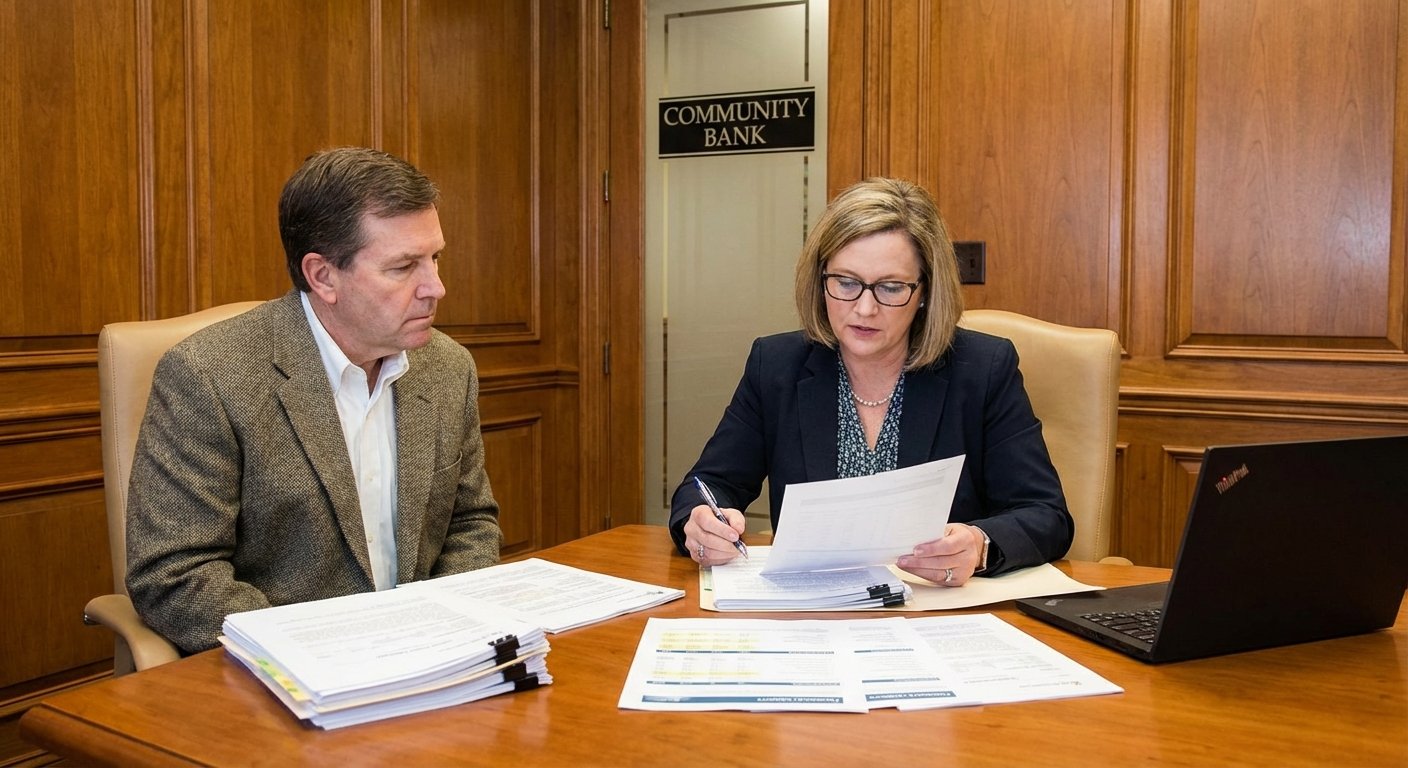
SBA Loan for Restaurants: Complete 2025 Application Guide
Learn how to get an SBA loan for your restaurant. Covers 7(a) vs 504 loans, what lenders look for, the application package, and why most applicants get rejected.
SBA Loan for Restaurants: Complete 2025 Application Guide
An SBA loan for restaurants is one of the best financing options available — lower rates, longer repayment terms, and lower down payment requirements than conventional loans. The catch: the application process is rigorous, and most applicants get rejected for preventable reasons.
Here's what the SBA actually funds, what lenders need to see, and how to put together an application that gets approved.
The Two SBA Loan Types Restaurants Use
SBA 7(a) Loan is the most common. You can borrow up to $5 million for working capital, equipment, leasehold improvements, or purchasing an existing restaurant. Rates run prime + 2.25–2.75%, which in 2025 puts you at approximately 9.5–10.5% (variable). Terms up to 10 years for working capital, 25 years for real estate.
SBA 504 Loan is designed for major fixed assets — commercial real estate or heavy equipment. It's a split structure: a bank funds 50%, a Certified Development Company (CDC) funds 40% at fixed rates around 6–7%, and you put in 10%. If you're buying your building or investing $500K+ in equipment, this is worth exploring.
What Lenders Actually Look For
SBA loans aren't given by the SBA directly — they're issued by approved lenders (banks, credit unions, CDCs) with SBA guaranteeing 75–90% of the loan. The lender still does underwriting. Here's what they evaluate:
Personal credit score: Most lenders want 680+. Below 650 and you'll struggle. Clean up any collections or late payments before applying.
Business plan with financial projections: 3 years of monthly projections, explaining your revenue assumptions (covers per day × average check × days open). Lenders want to see you understand your numbers.
Collateral: The SBA requires lenders to take all available collateral. That usually means your restaurant equipment, and often a lien on your personal residence if you own one.
Industry experience: First-time restaurant owners with no hospitality background face heavy scrutiny. Partner with someone who has operational experience or get a job in a restaurant first.
Down payment: Typically 10–20% of the total project cost. For a $500K buildout, that means $50K–$100K cash in.
The Complete SBA Application Package
- 2 years personal tax returns (all principals with 20%+ ownership)
- 2 years business tax returns (if existing business)
- 3 months personal bank statements
- Business plan with 3-year projections
- Signed lease or letter of intent
- Construction/renovation bids if applicable
- Equipment list with quotes
- Personal financial statement (SBA Form 413)
- Resume demonstrating industry experience
Missing any of these will stall your application by weeks.
Why Most Restaurant SBA Applications Get Rejected
No industry experience documented: The restaurant failure rate is high. Lenders compensate by demanding proof you know what you're doing. A business plan written by someone who's never worked in a restaurant reads like it.
Projections that don't make sense: If you're projecting $2M revenue in year 1 for a 50-seat restaurant open 5 days a week, a lender will flag it immediately. Back every number: X seats × Y turns × Z average check × days open.
Personal credit issues: A 620 score with a charge-off from 3 years ago will kill an otherwise strong application.
Undercapitalized: If you're putting in $5K on a $400K project and asking the SBA to fund $395K, that's not a business — that's a wish.
Realistic SBA Loan Timeline
From first meeting with a lender to funds in your account: 60–120 days. Sometimes longer. Don't sign a lease requiring buildout to start in 30 days and count on SBA financing.
Work with an SBA-preferred lender (PLP designation) to cut 2–4 weeks off approval time — they can approve internally without waiting for SBA review.
FAQ: SBA Loans for Restaurants
What credit score do I need for an SBA restaurant loan?
Most SBA-approved lenders require a personal credit score of 680 or higher. Some will work with scores as low as 650 if the rest of the application is strong, but below that point your options narrow significantly.
How much down payment does an SBA loan require for a restaurant?
Typically 10–20% of the total project cost. For a $500,000 buildout, expect to put in $50,000–$100,000 of your own capital. The SBA views undercapitalized applications as high-risk.
Can I use an SBA loan to buy an existing restaurant?
Yes. SBA 7(a) loans are commonly used to purchase existing restaurants. You'll need to show the business has sufficient cash flow to cover the debt service, along with all standard documentation.
How long does SBA loan approval take for restaurants?
Expect 60–120 days from application to funding. Using a Preferred Lending Partner (PLP) can reduce this timeline by 2–4 weeks since they can approve loans internally without waiting for SBA review.
Ready to take control of your food costs? Try CostLab free for 14 days →
Track Food Cost on Every Dish — Automatically
CostLab.AI calculates food cost percentage in real time. Update one ingredient price and see the impact across your entire menu instantly.
Start Free Trial →