How to Reduce Food Costs in a Restaurant (10 Proven Methods)
Food costs rarely spike overnight -- they creep. Here are 10 proven methods to reduce restaurant food costs systematically, from portion control to supplier negotiation.
How to Reduce Food Costs in a Restaurant (10 Proven Methods)
Restaurant food costs rarely spike overnight -- they creep. A slightly larger protein portion here, a supplier price increase you did not catch there, a new garnish that became standard. Six months later you are at 36% and wondering what happened. The fix is systematic, not reactive. Here are 10 methods that work.
1. Standardize Portions With Scales
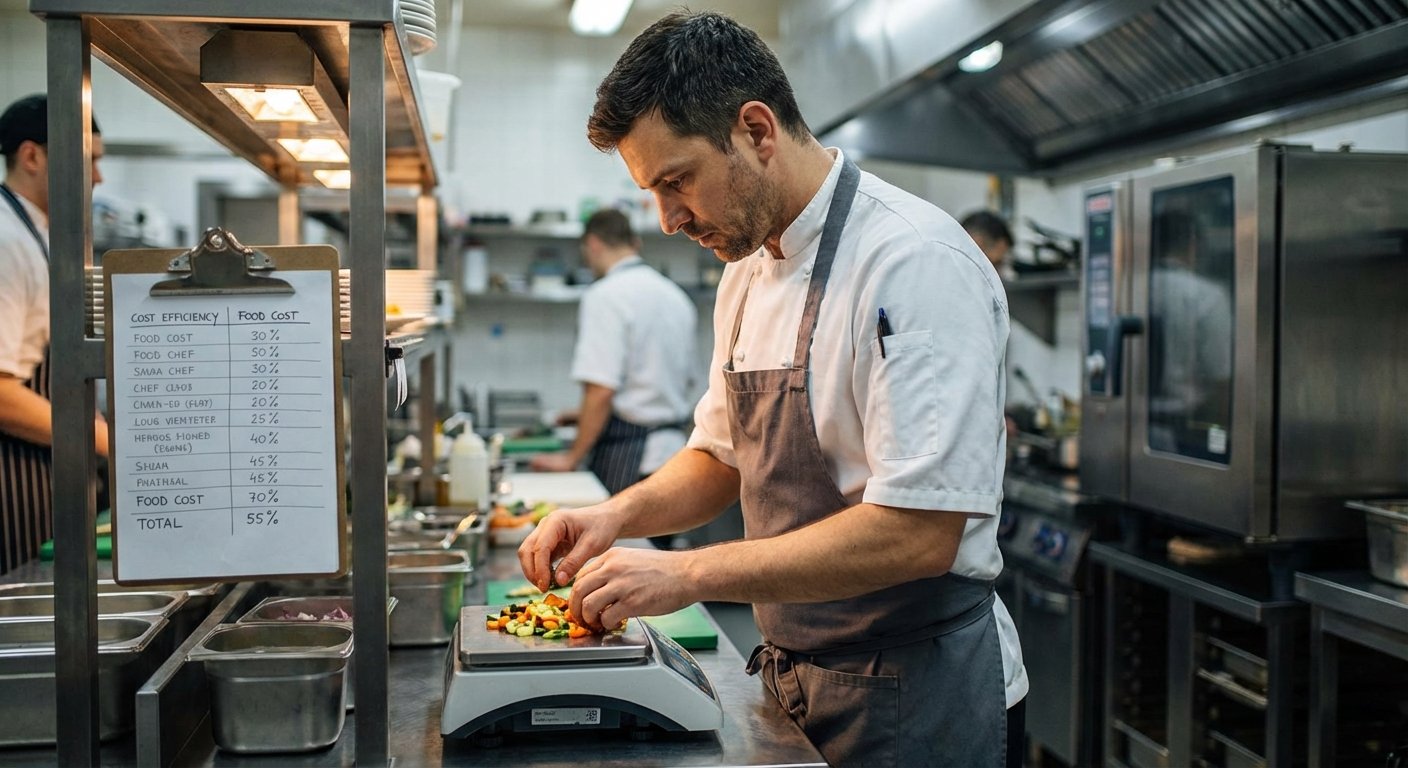
Eyeballing portions is the single biggest source of food cost variance. A 6 oz steak portioned at 6.5 oz consistently costs 8% more than planned. Invest in portion scales at every station. The equipment pays for itself in weeks.
2. Calculate Yield on Every Protein
A 10 lb case of chicken breast does not yield 10 lbs of usable product. After trim, you might have 8.5 lbs. Your ingredient cost per served ounce is 18% higher than the invoice price. Price accordingly and recalculate whenever you change suppliers or cuts.
3. Update Recipe Costs Monthly
Ingredient prices change constantly. A recipe costed at $4.20 six months ago might cost $5.10 today. Build a habit: first Monday of the month, update your top 10 most-used ingredients and reprice any dish now above target.
4. Audit Your Top 5 High-Volume Dishes Weekly
You do not have time to watch every dish. But your top 5 by volume account for most of your food spend. Watch those closely. A 2% variance on your bestseller affects every dollar of revenue.
5. Negotiate Supplier Contracts Annually
Most operators accept supplier price increases passively. Every 12 months, get competing quotes from at least two suppliers. Even if you stay with your current one, you will have leverage to hold prices or negotiate better terms.
6. Reduce Prep Waste
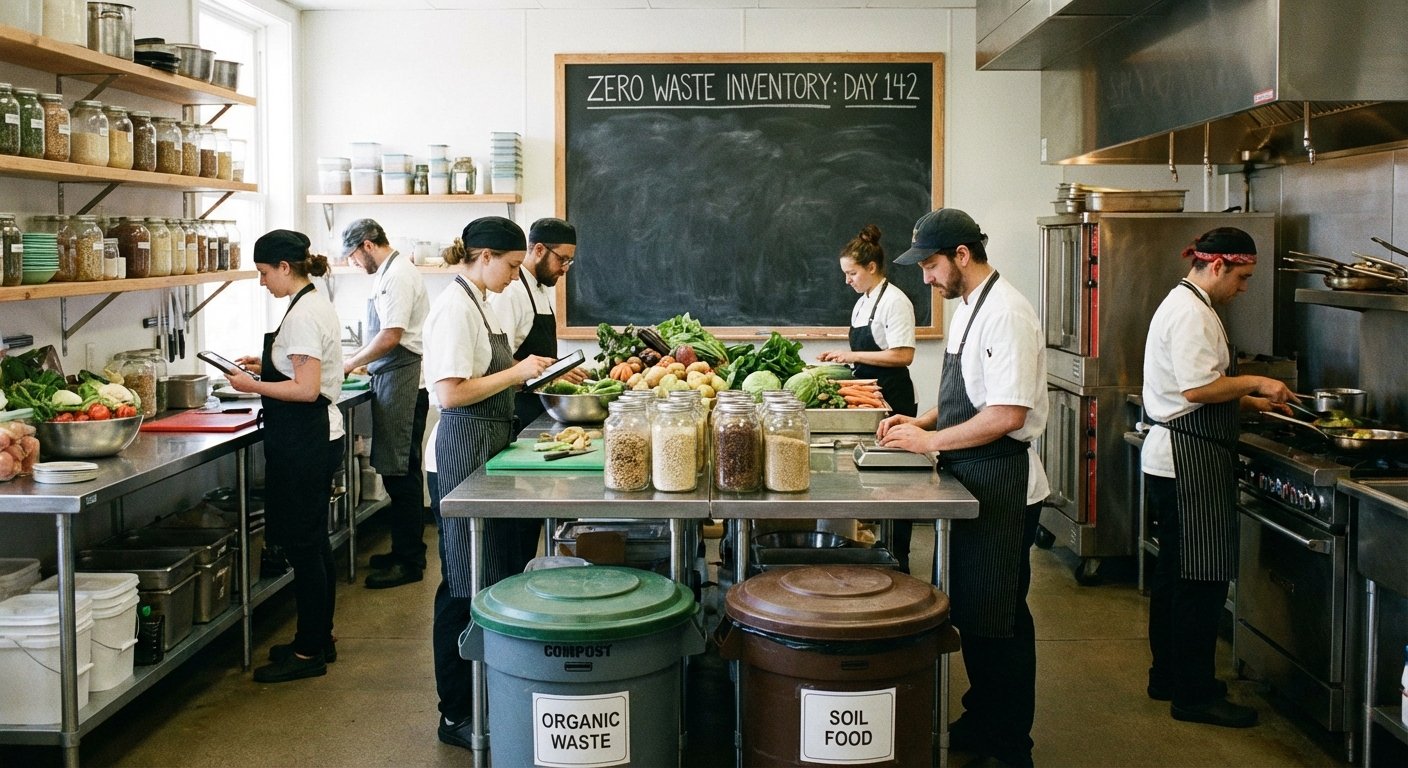
Track the difference between what you buy and what you serve. The gap is your prep waste. Common culprits: over-trimming proteins, over-peeling vegetables, over-producing mise en place that gets thrown at close. Each one is a controllable cost.

7. Engineer Your Menu Around High-Margin Items
Not all dishes are equal. A pasta dish at 22% food cost and a steak at 38% food cost both belong on the menu -- but you should sell more pasta. Use menu layout to guide guests toward high-margin items through positioning, descriptions, and suggestive selling.
8. Control Comps and Voids
Comps and voids are food cost that shows up nowhere obvious. Set clear authorization requirements for anything comped. Track voids by reason. A kitchen voiding 3% of plates for errors is running a hidden food cost surcharge.
9. Batch Cook for Volume Efficiency
Items cooked in small batches have worse yield (more evaporation, more handling loss) and higher labor cost per unit. Identify items where volume cooking makes sense -- stocks, sauces, braises -- and shift to larger batches.
10. Track Theoretical vs. Actual Food Cost Monthly
Run your theoretical food cost (what should be) against actual (what is) every month. A gap larger than 2% means something is leaking: waste, theft, portioning errors, or a calculation mistake.
Frequently Asked Questions
What is the fastest way to reduce food costs in a restaurant?
The fastest impact usually comes from portion standardization -- adding scales at every station and enforcing recipe standards. Most restaurants running above target food cost have significant portioning inconsistency that can be corrected within days.
How much can I realistically reduce my food cost percentage?
Most restaurants have 2-5 percentage points of recoverable food cost through operational improvements alone. On a $1M revenue restaurant, that is $20,000-$50,000 in annual recovered margin.
Should I reduce food costs by buying cheaper ingredients?
Generally no -- lower quality ingredients often hurt repeat business and require more prep labor to compensate. Focus on reducing waste and improving portioning first. Supplier negotiation is productive; ingredient downgrading typically is not.
How do I know if my food cost is too high?
Compare your actual food cost percentage to your target for your concept type (typically 28-35% for most restaurants). More importantly, compare actual to theoretical food cost. If actual consistently runs 3%+ above theoretical, you have an operational leak to find and fix.
Ready to take control of your food costs? Try CostLab free for 14 days
Track Food Cost on Every Dish — Automatically
CostLab.AI calculates food cost percentage in real time. Update one ingredient price and see the impact across your entire menu instantly.
Start Free Trial →