
🔥 Most ReadRecipe Costing & Pricing
Buffet Food Cost Per Person: How to Price Fixed-Format Dining
Learn how to calculate buffet food cost per person, set per-head targets, and price your fixed-format dining to stay profitable without running short.
The numbers behind every dish — costing, tracking, and protecting your margins.
Learn how to calculate buffet food cost per person, set per-head targets, and price your fixed-format dining to stay profitable without running short.

Food cost percentage = cost of ingredients divided by menu price x 100. This step-by-step guide covers both per-dish and overall calculations, yield loss, common mistakes, and how often to recalculate.
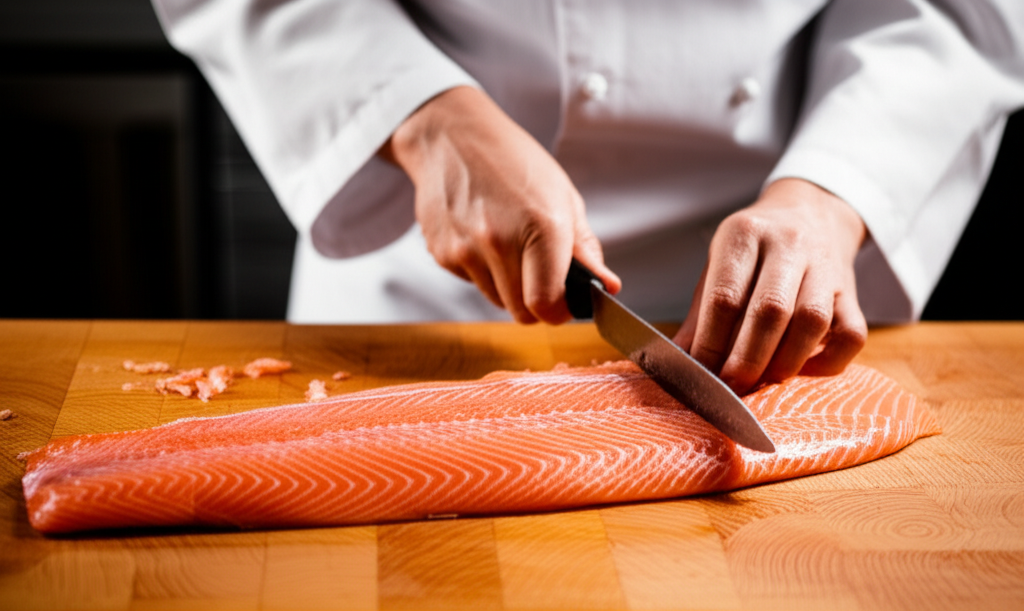
Understand food yield percentage and why it makes your recipe costs inaccurate. Includes the formula, real examples for common proteins, and how to fix your costing.
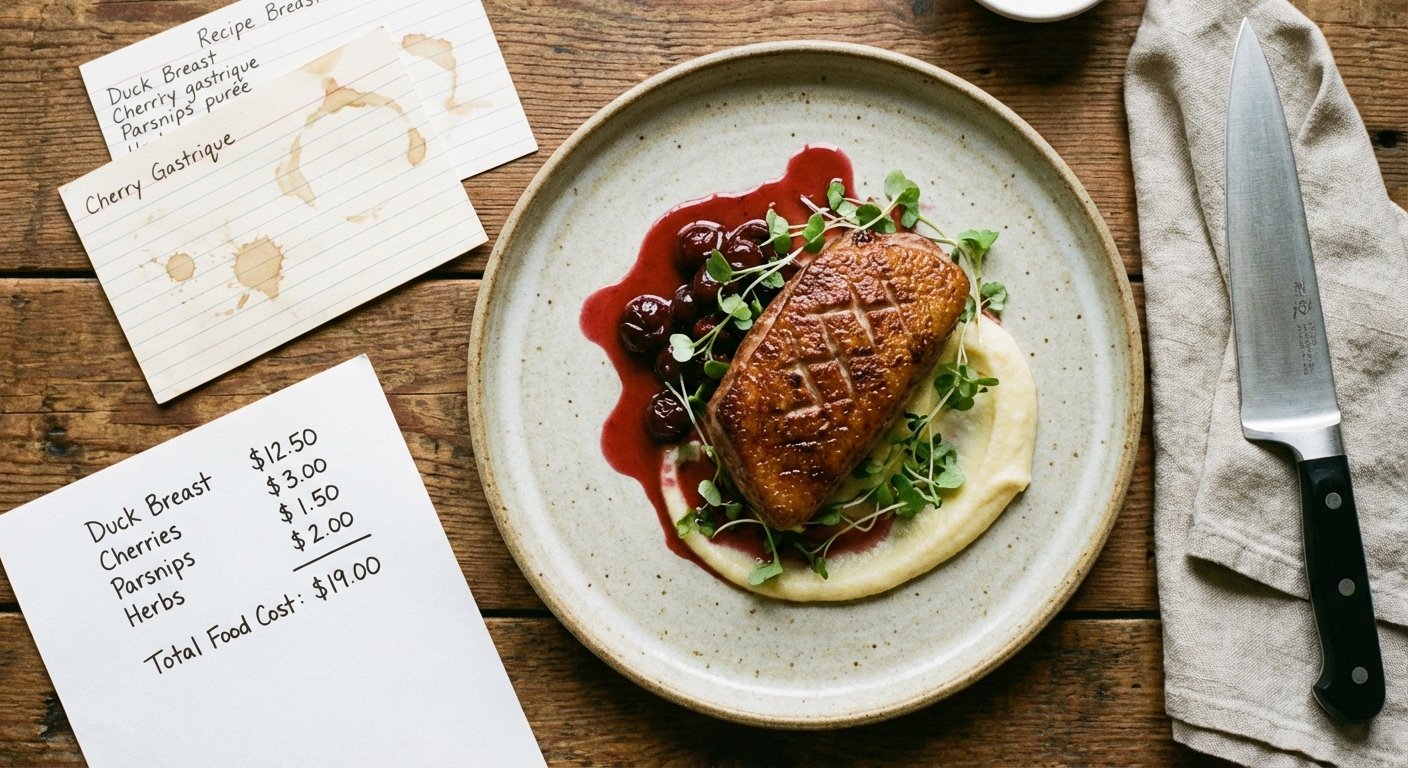
Plate cost is the total ingredient cost to produce one serving. Learn the step-by-step method including yield adjustments and why getting it right matters for every pricing decision.
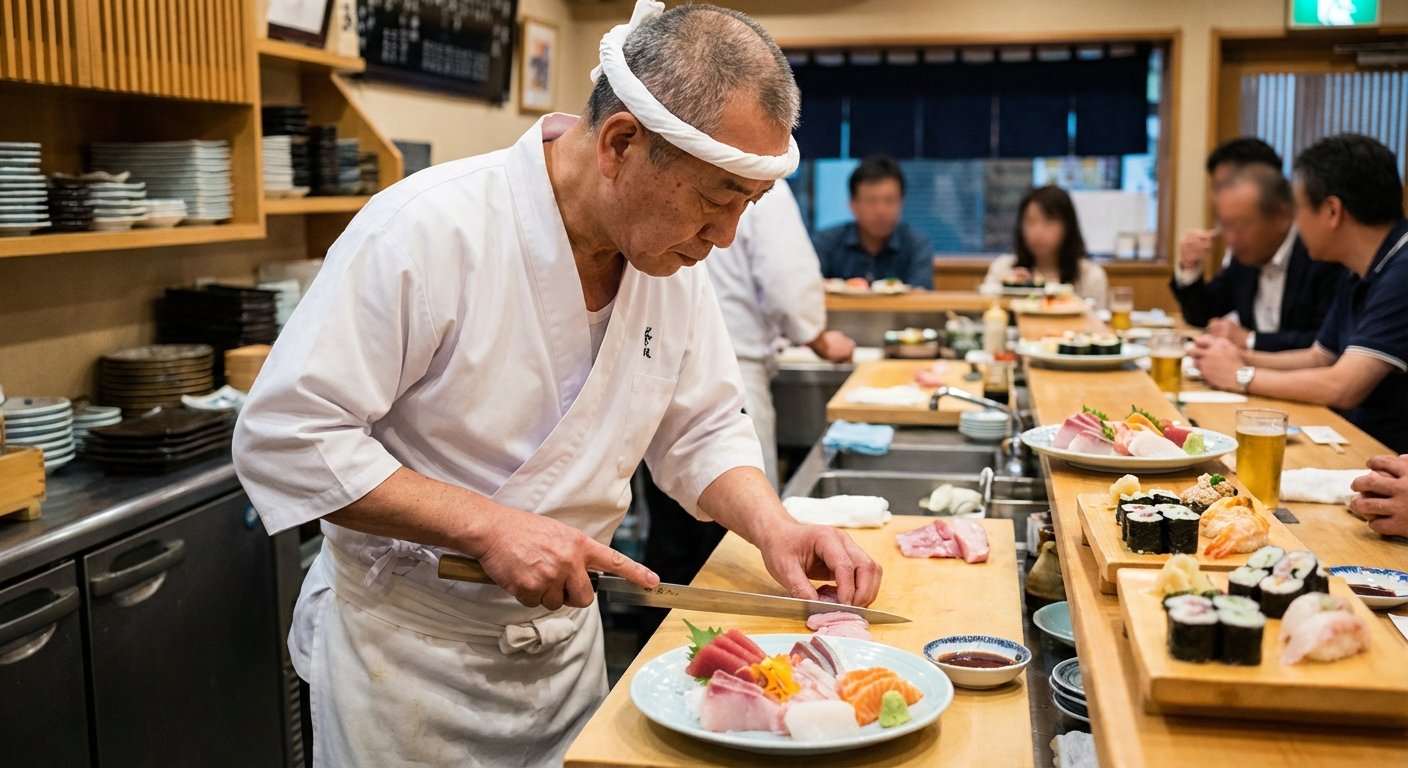
Sushi food cost is uniquely complex — fish is priced by weight but sold by piece, and avocado swings 40% seasonally. The best sushi operators run 24–28% through yield and portion discipline.

A brisket at $5.50/lb raw becomes $9.63/lb cooked after yield loss. Most BBQ operators are underpricing brisket by $2–4/lb. Here's how to calculate your true BBQ food cost.
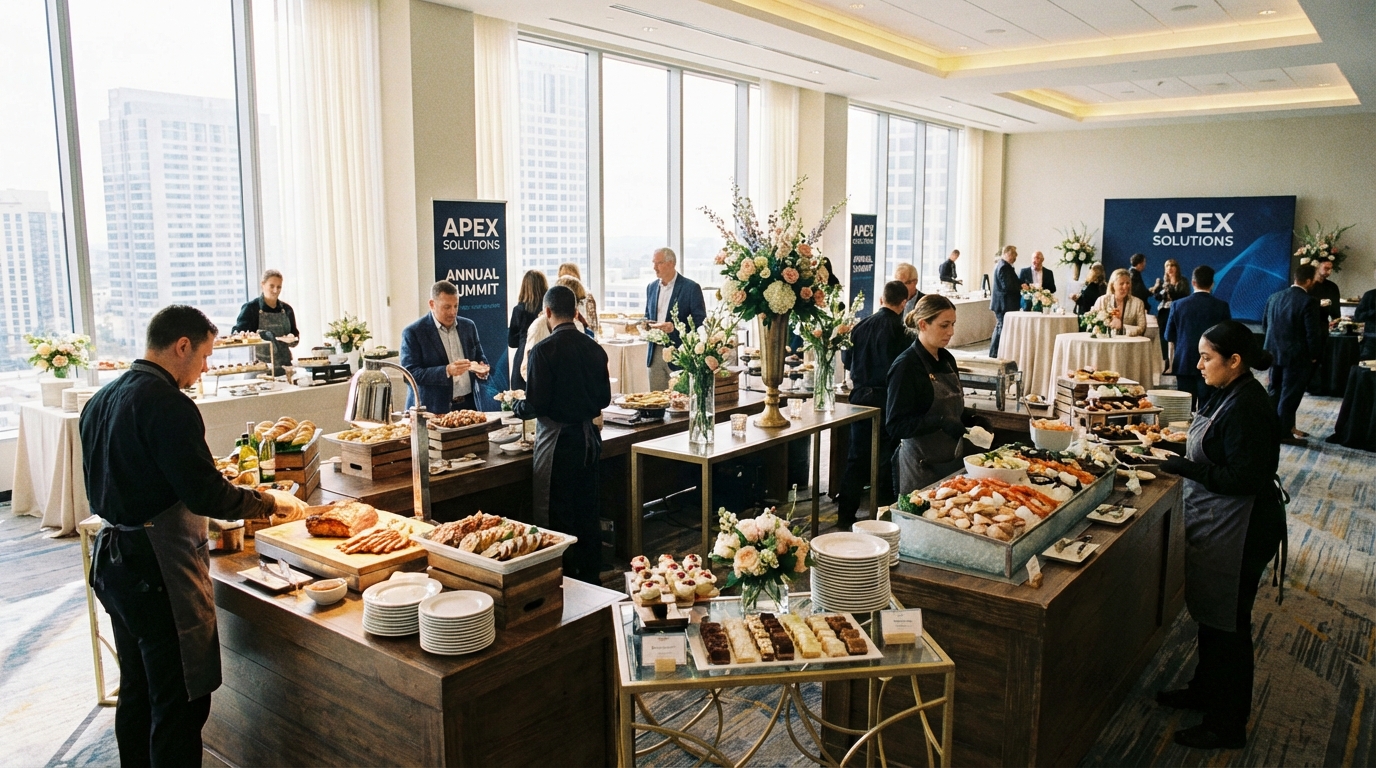
Learn how to calculate catering food cost per person for buffets, plated dinners, and events. Includes formulas, benchmarks, and per-format pricing guides.

Learn how to calculate alcohol pour cost percentage, use the formula correctly, and hit your bar's target pour cost to maximize profit.
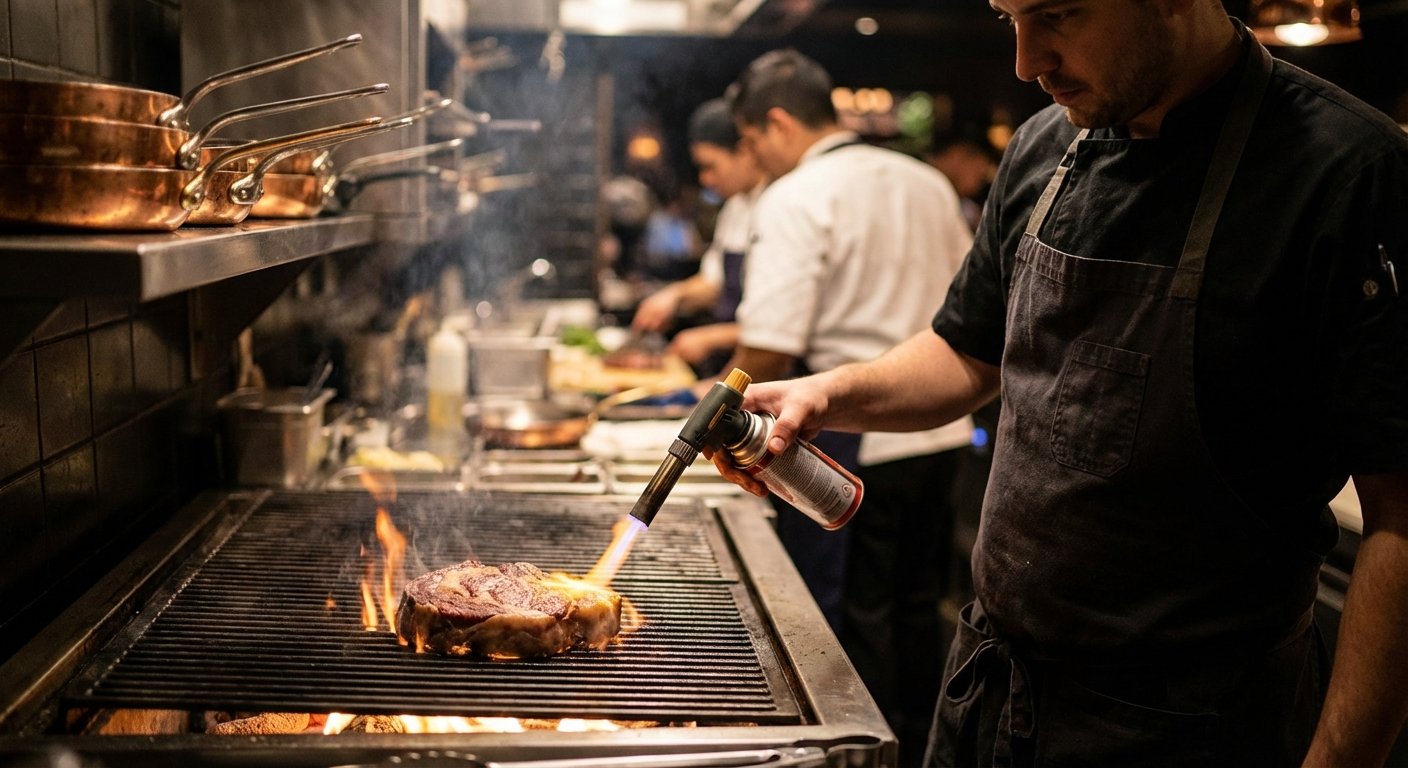
Steakhouses run 38–42% food cost by design. The path to profitability isn't lowering protein cost — it's using beverage margins and side dishes to make the model work.

A good food cost percentage for most restaurants is 28-35%, but the right target depends on your concept, labor model, and P&L. Here is how to find your actual number.
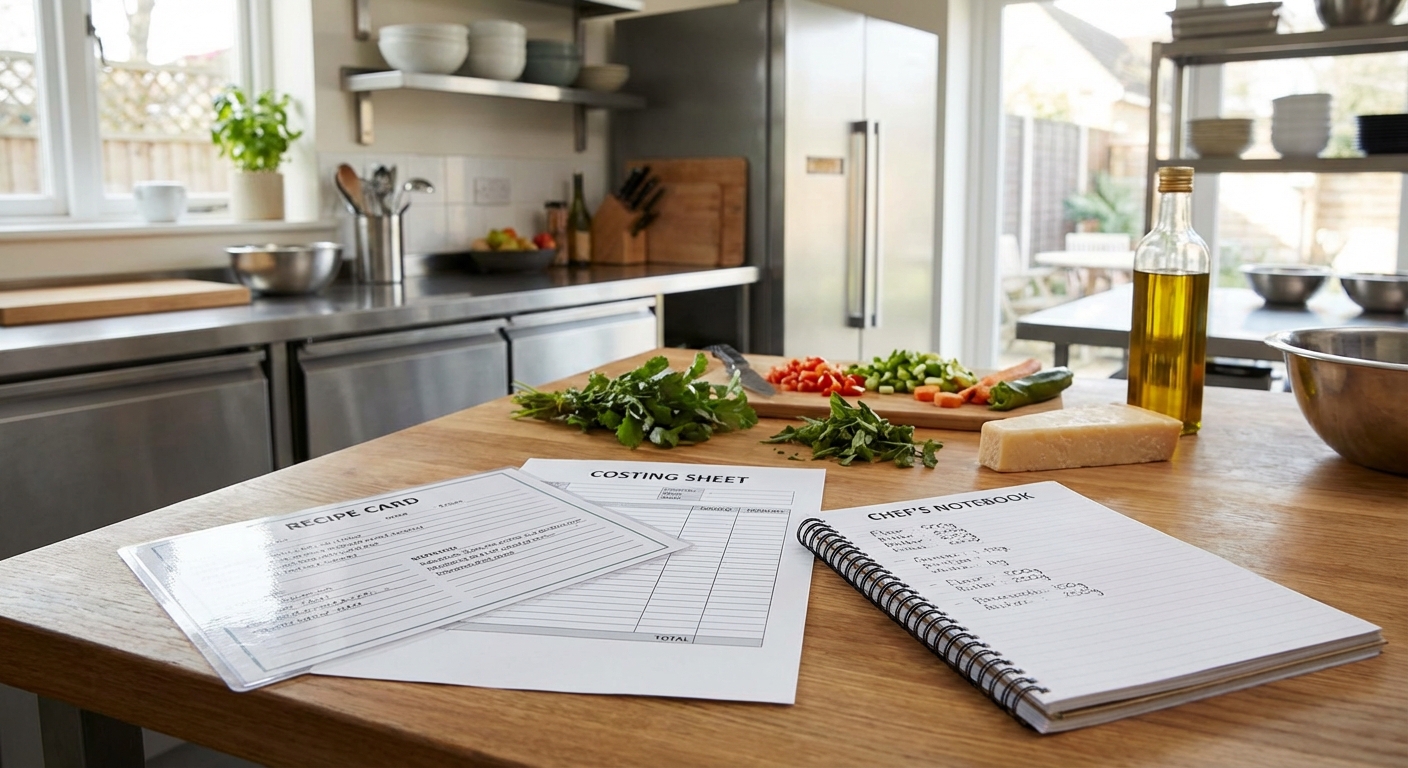
Build a restaurant recipe card template that tracks ingredient costs, portion sizes, and food cost percentage for every dish on your menu.

Plate cost is the total ingredient cost for one serving of a dish. It is the foundation of menu pricing and profitability decisions. Here is how to calculate it correctly including yield adjustments.
Understand the gap between actual and theoretical food cost. Learn what causes the variance, how to calculate it, and the steps to close it permanently.
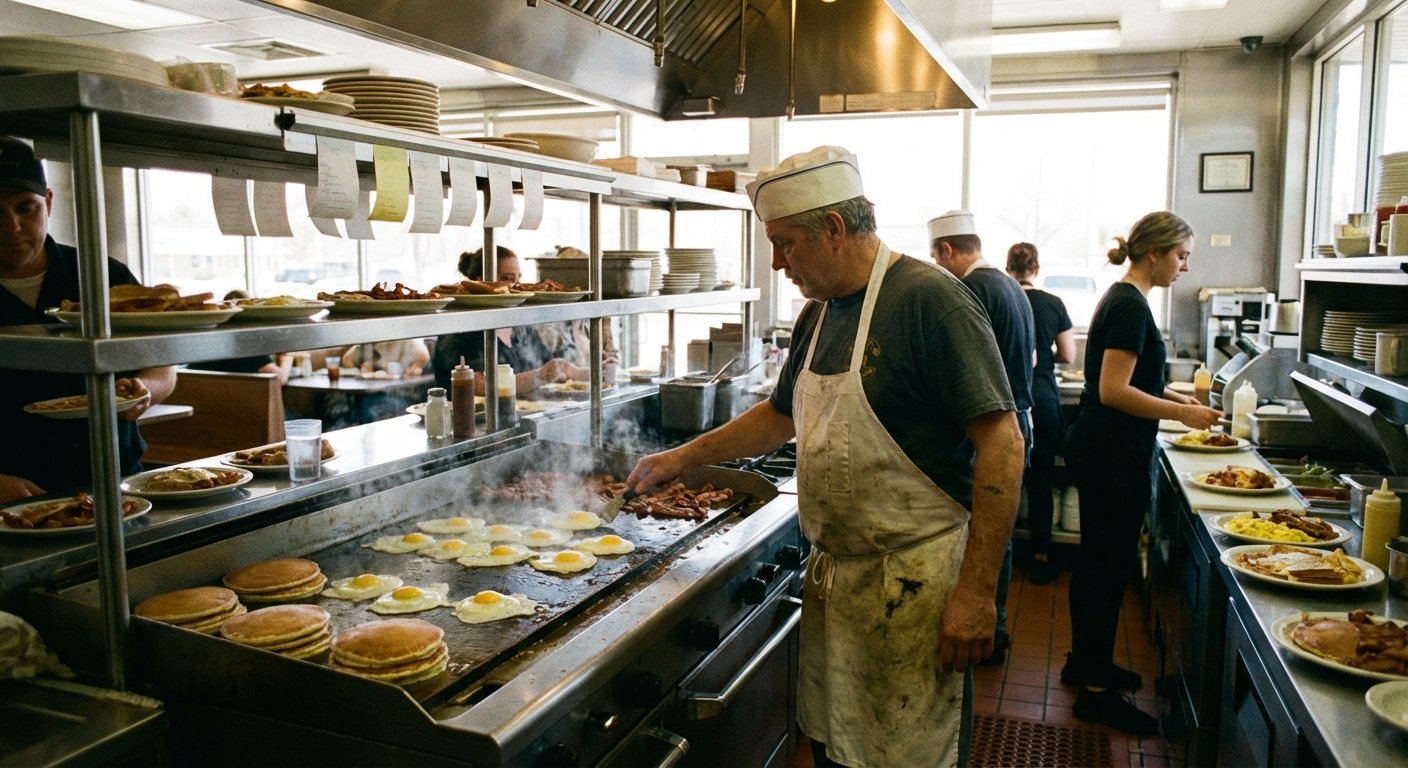
Breakfast food cost can hit 24–28% when managed well, but egg price spikes in 2025 have added $74,000/year in cost for a typical busy breakfast restaurant. Here's how to respond.
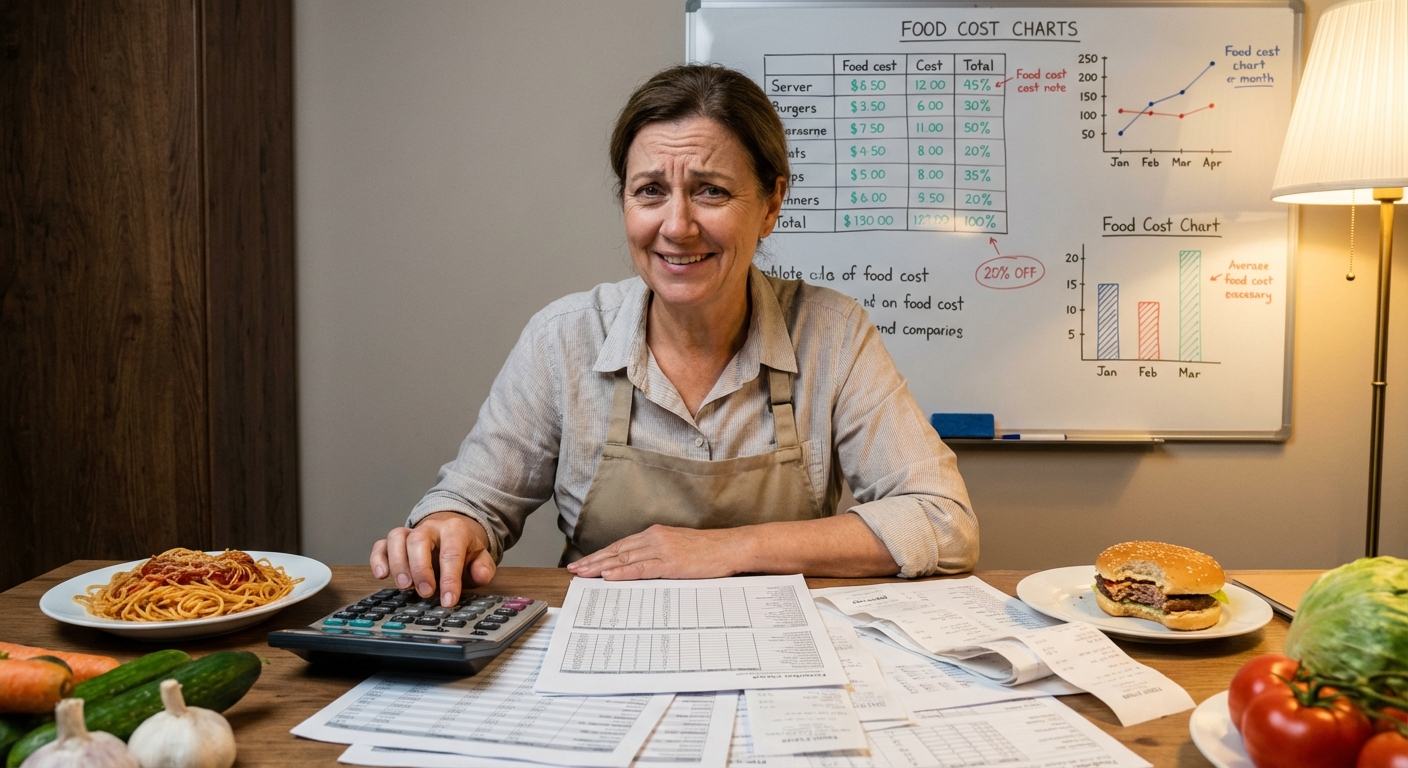
Learn how to set a restaurant food cost target percentage based on your concept, prime cost, and profit goals — not just the generic 28-32% rule.
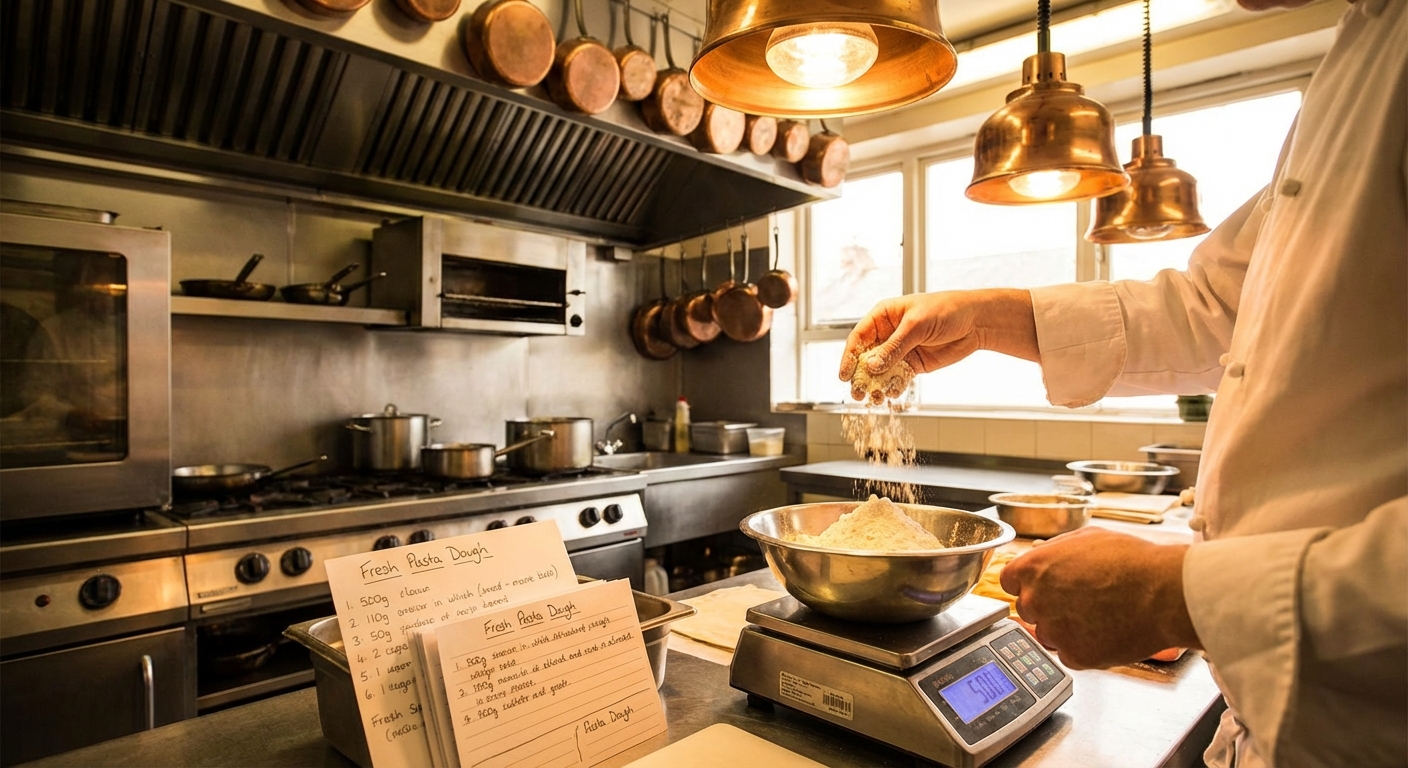
Learn how to scale a recipe for restaurant production using the scaling factor formula, and avoid the common mistakes that inflate food cost.
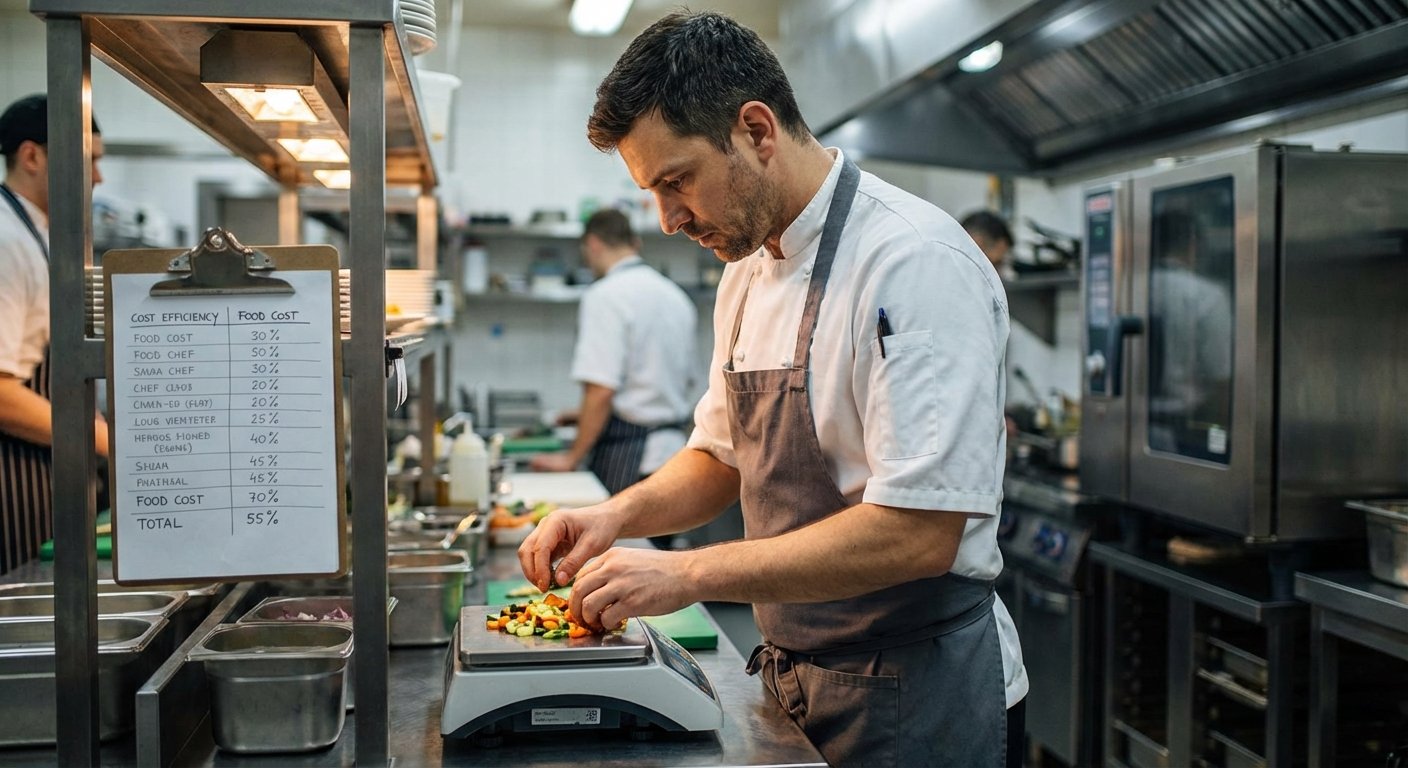
Food costs rarely spike overnight -- they creep. Here are 10 proven methods to reduce restaurant food costs systematically, from portion control to supplier negotiation.
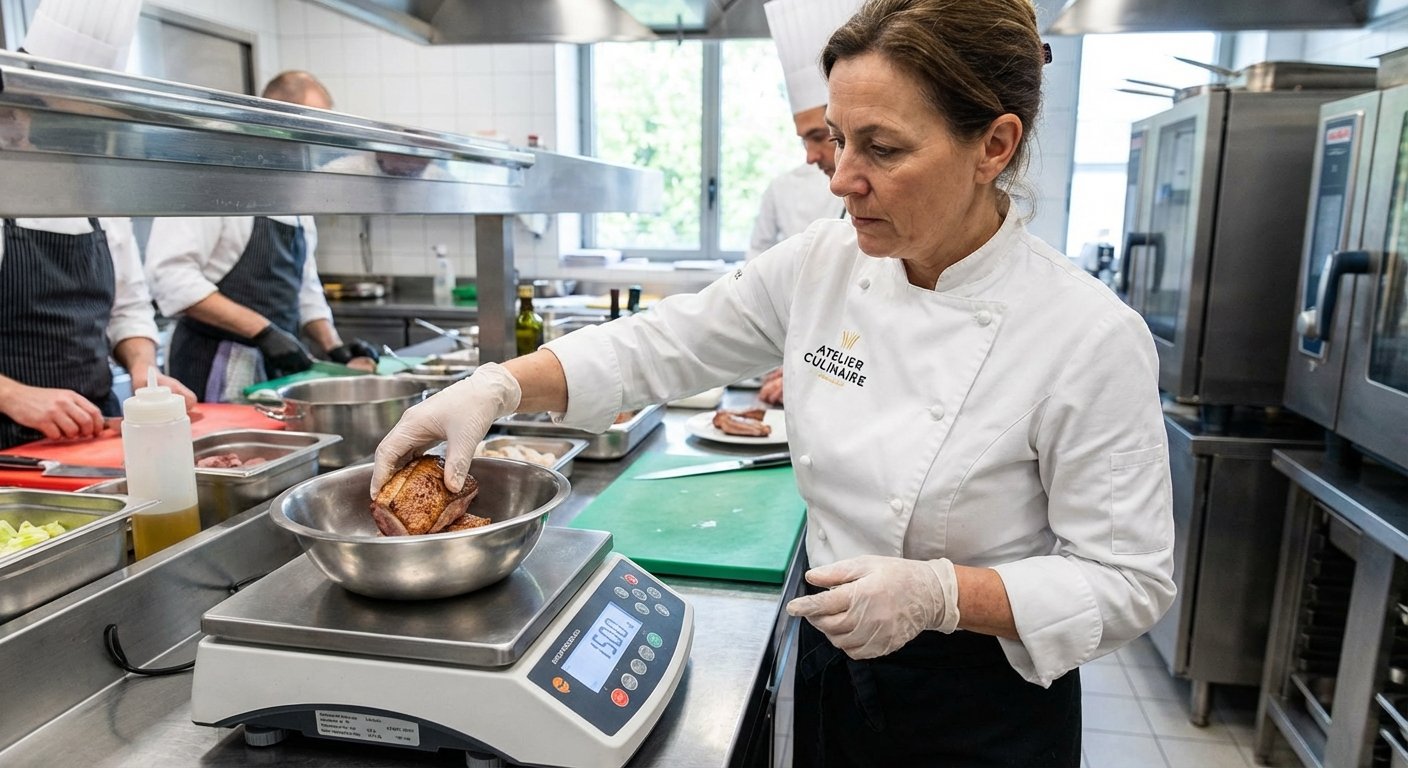
Restaurant portion control is the easiest way to reduce food costs without changing your menu. Learn how to build a system, train your team, and audit portions correctly.
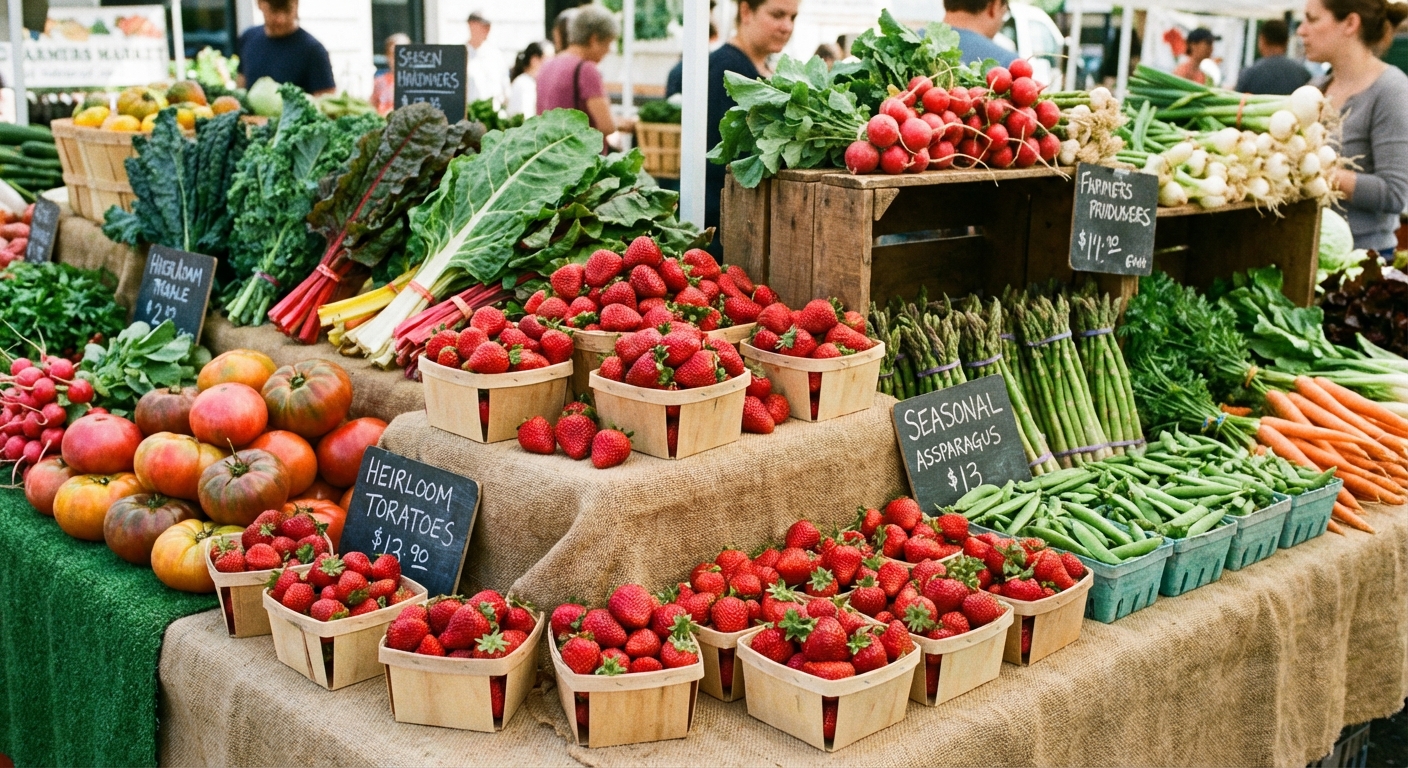
Seasonal ingredient cost swings can silently kill your margins. Learn how to track price changes, update recipe costs, and protect profitability year-round.
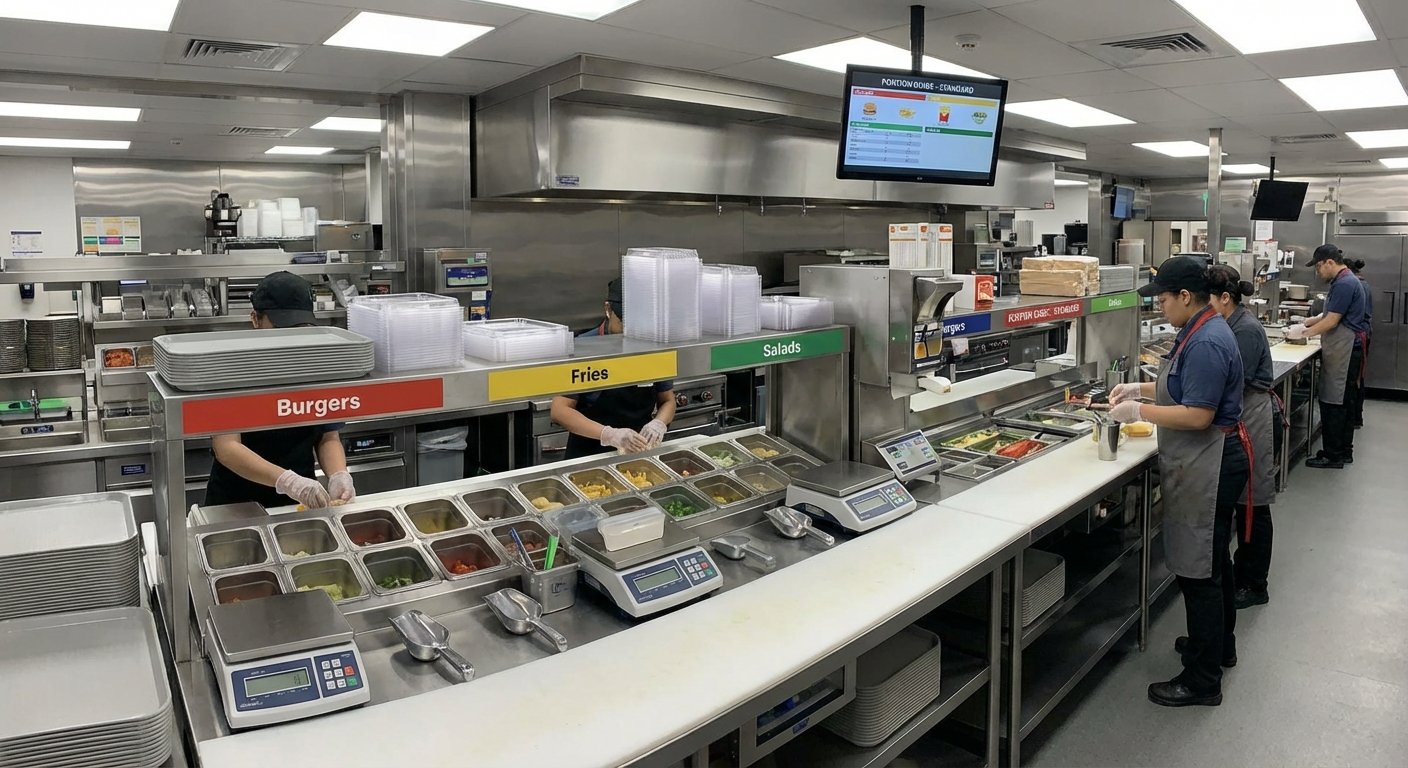
McDonald's runs 30% food cost across 40,000 locations. The systems they use aren't secret—and independent restaurants can implement them too. Here's how.
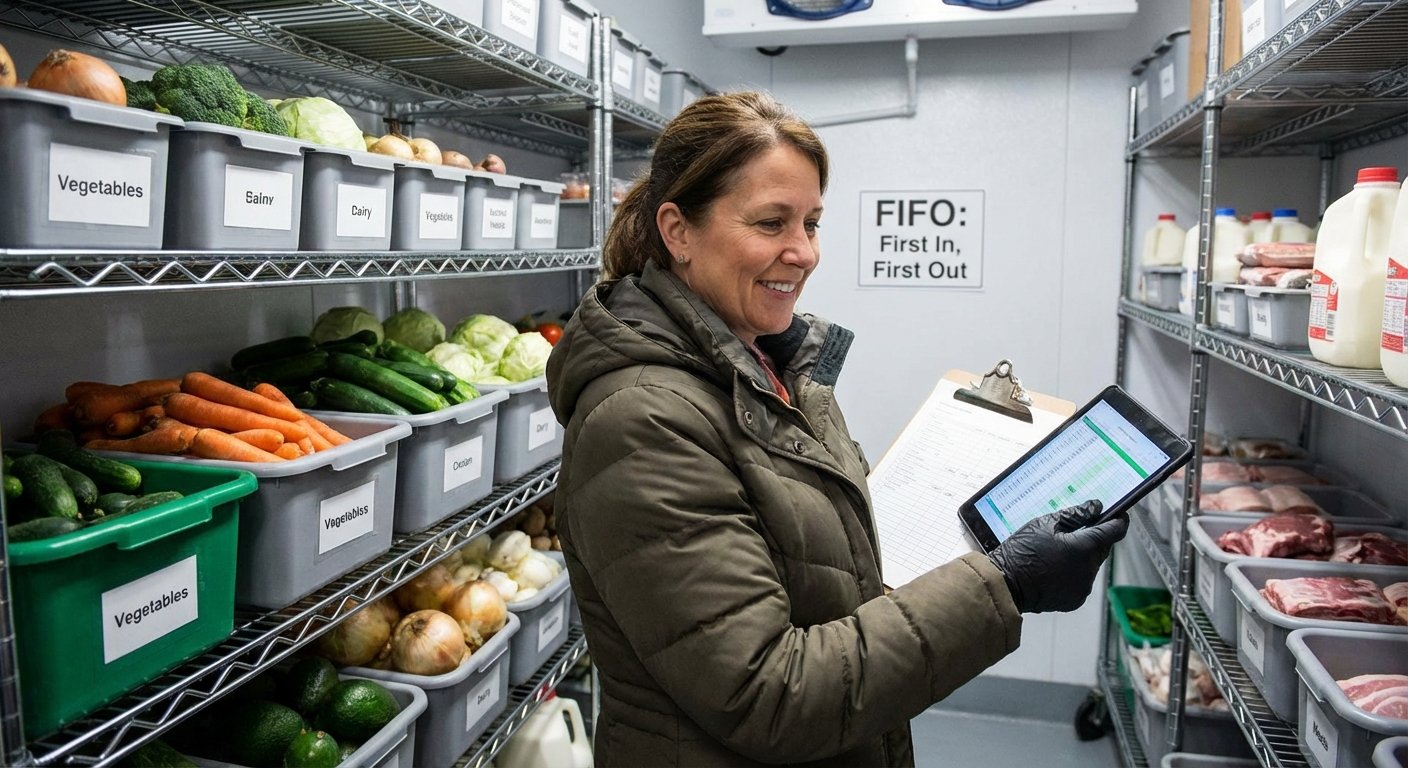
Build a simple, sustainable system for tracking restaurant food costs. Includes the two-level approach, weekly schedule, tight count method, and how to read variance by category.
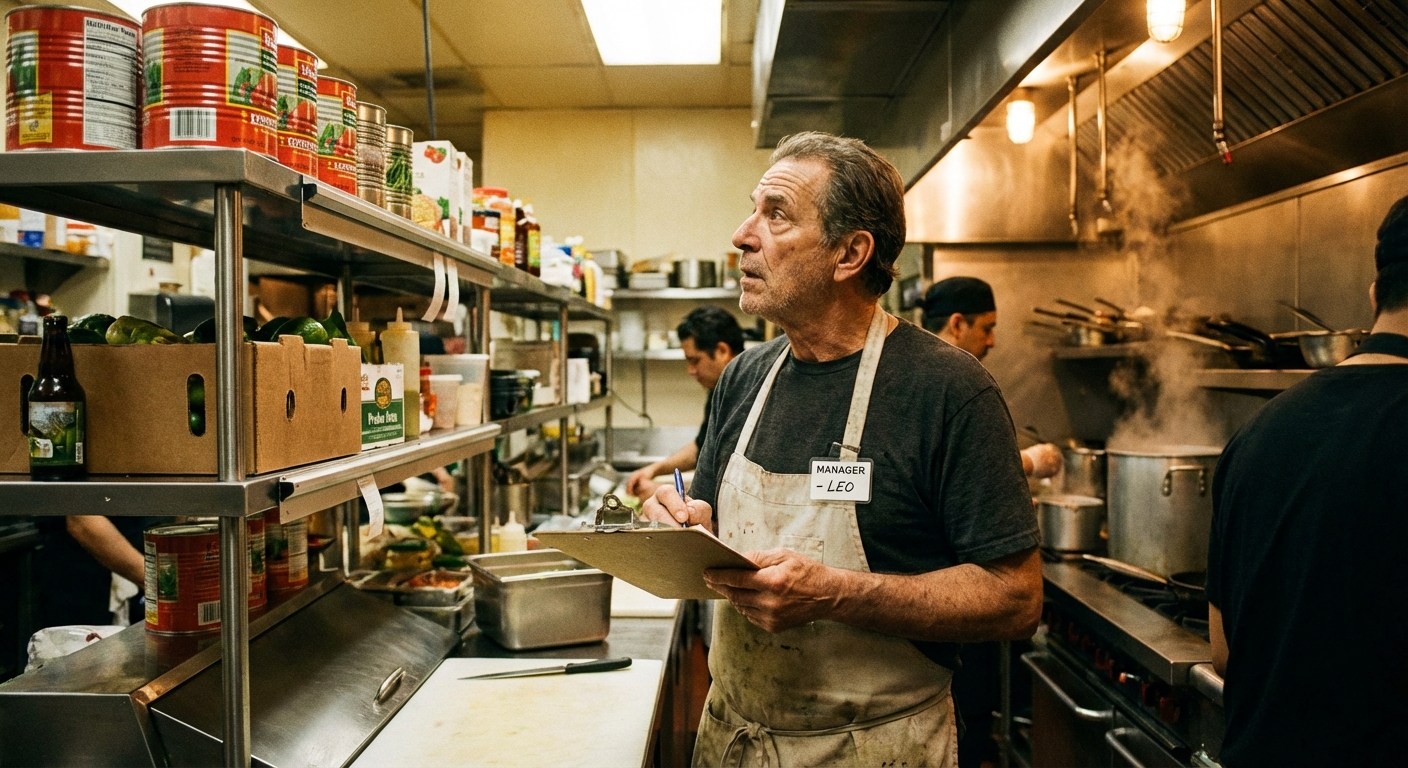
A weekly food cost check takes 20 minutes and prevents margin bleed. Learn the formula, the routine, and what variances to watch for in your restaurant.
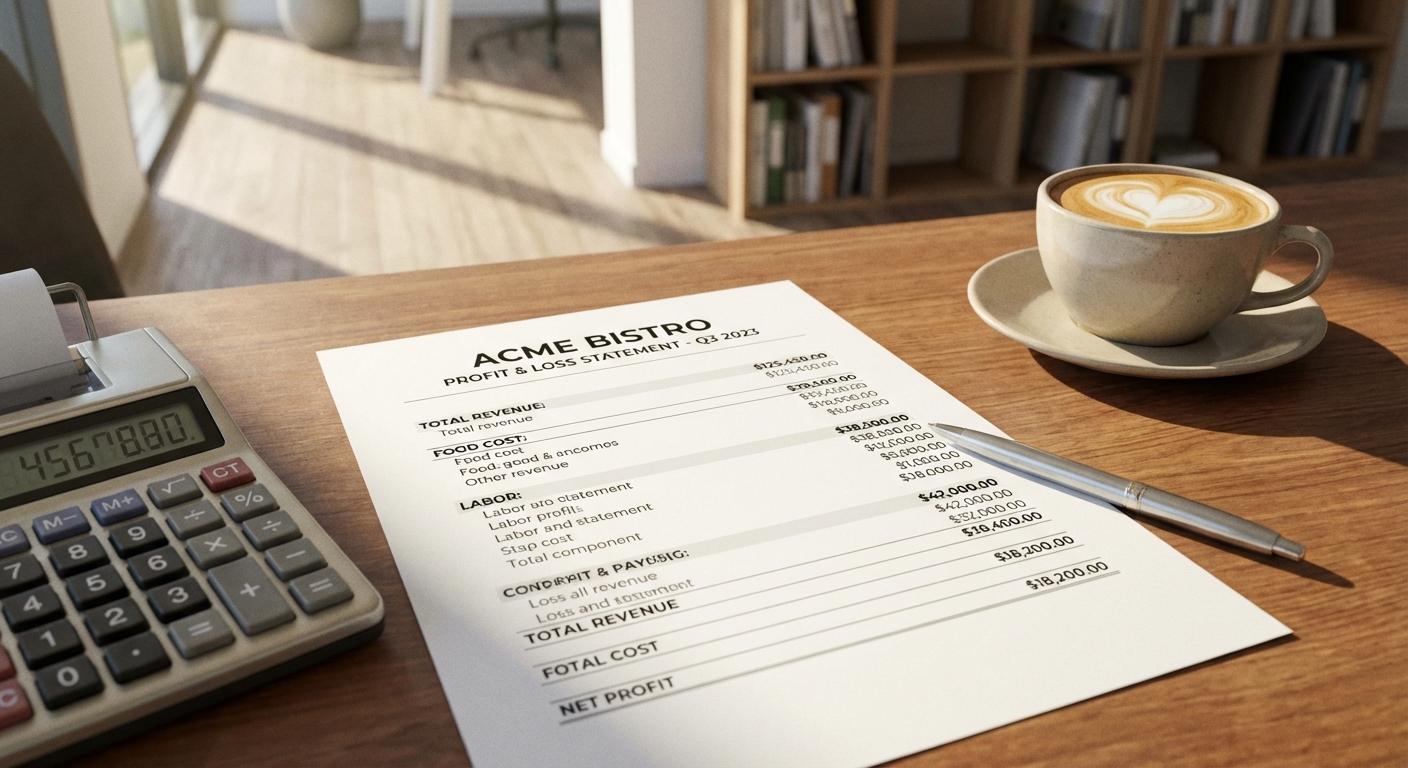
COGS and food cost percentage are not the same metric. Learn the key differences, when to use each, and how both affect restaurant profitability and pricing.
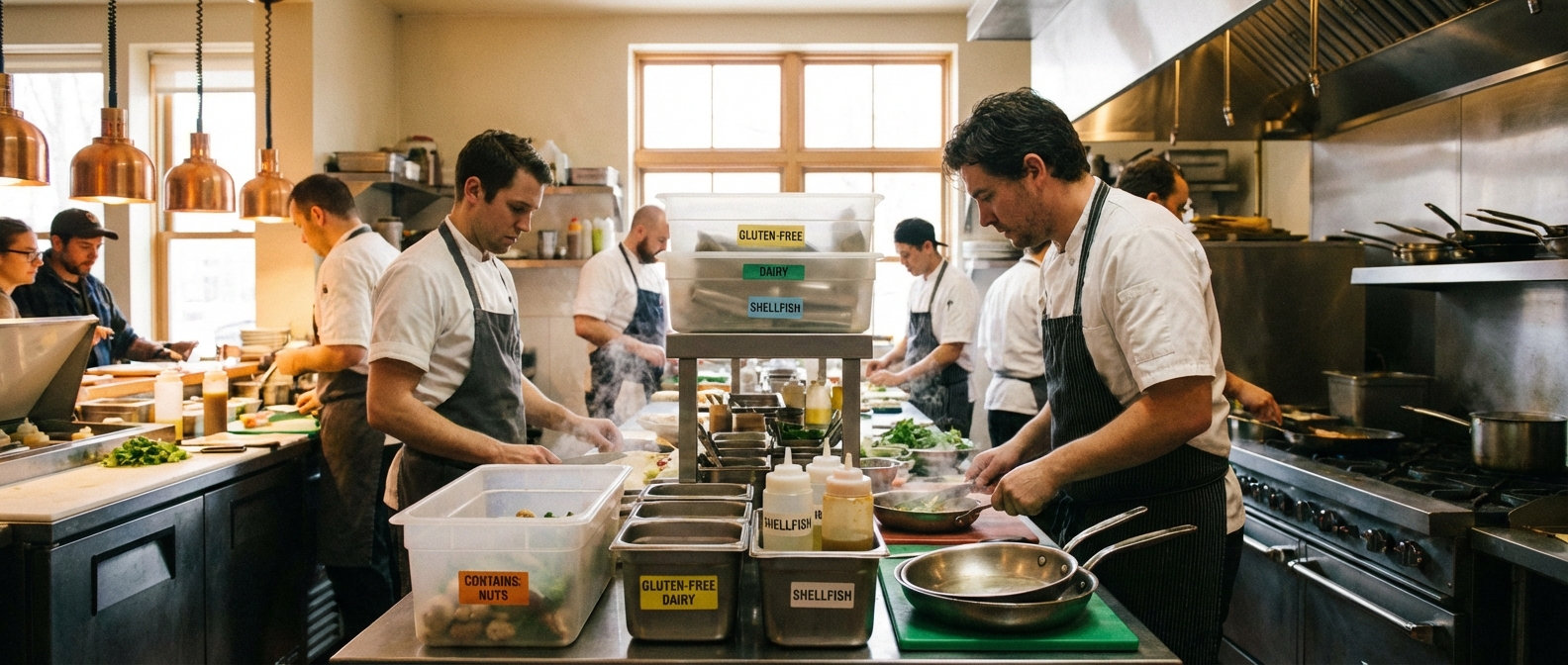
Learn what restaurant allergen labeling requirements apply under federal and state law, including the new sesame requirement, and how to build a compliant system.
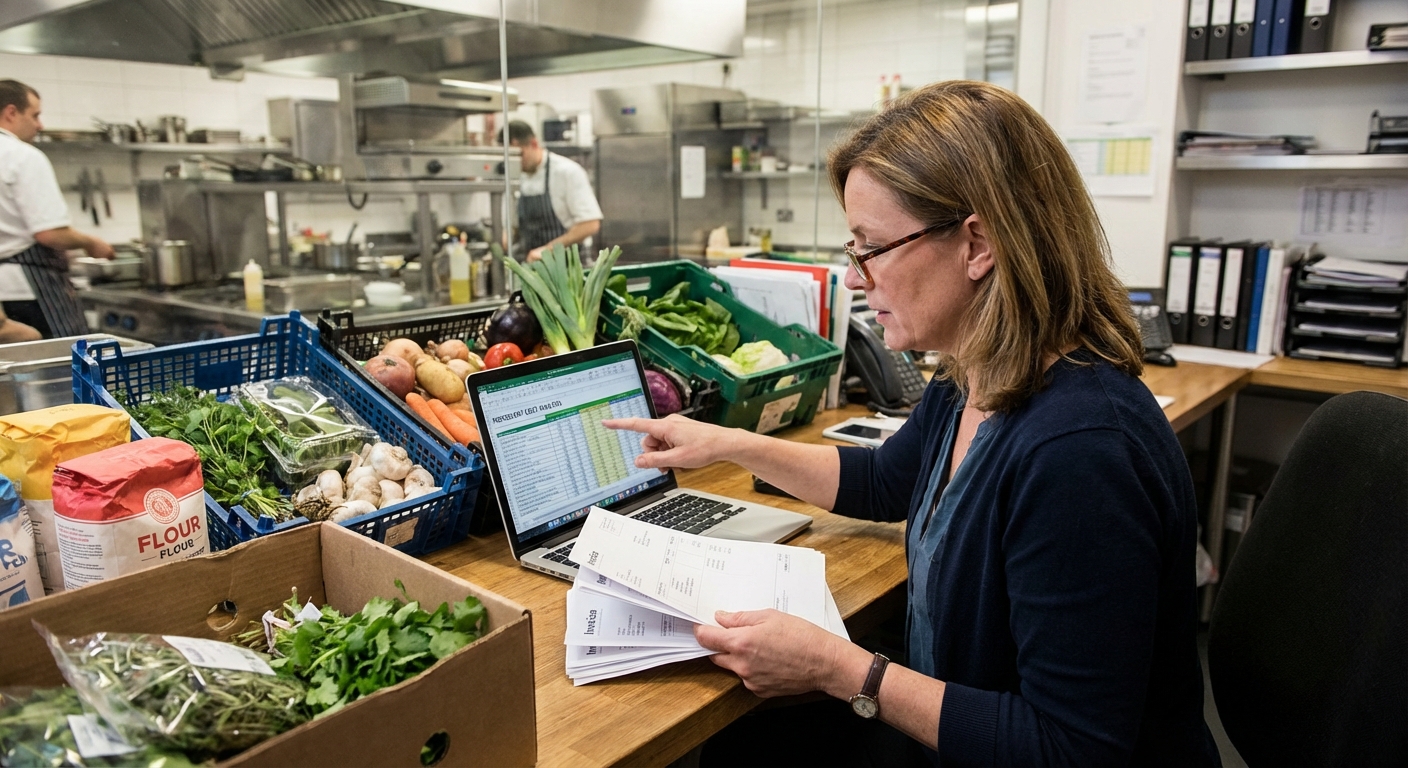
Build a restaurant ingredient cost tracking system that actually sticks. Learn how to identify top cost drivers, automate recipe cost updates, and catch price changes weekly.
Restaurants waste 4-10% of all food purchased. On $800K in annual food purchases, that is $32,000-$80,000 thrown away. Here is how to track, measure, and eliminate restaurant food waste.