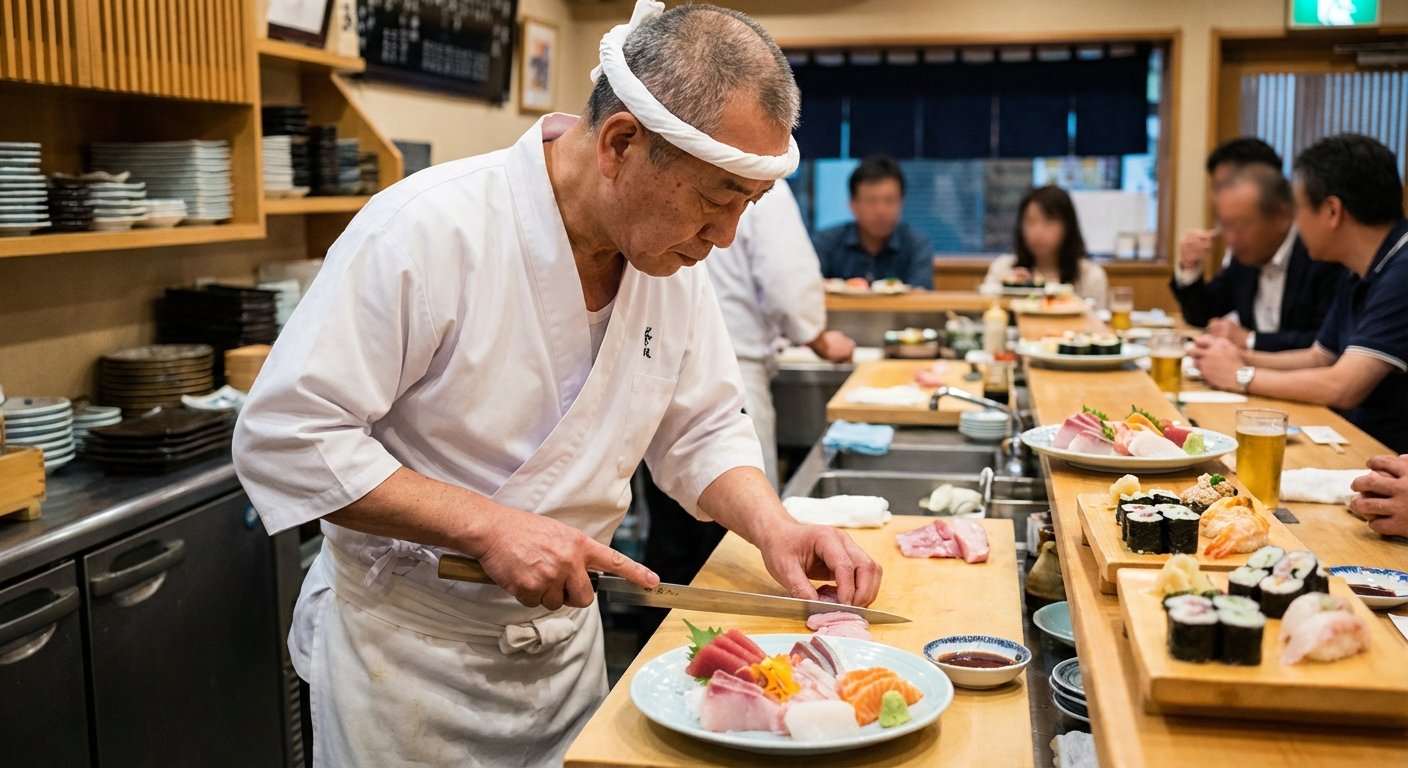
Sushi Restaurant Food Cost: Managing Fish, Rice, and Avocado
Sushi food cost is uniquely complex — fish is priced by weight but sold by piece, and avocado swings 40% seasonally. The best sushi operators run 24–28% through yield and portion discipline.
Sushi Restaurant Food Cost: Managing Fish, Rice, and Avocado
Sushi restaurant food cost is among the most difficult to track accurately in the industry. Your highest-cost protein is priced by weight but sold by piece. Yield rates change based on which part of the fish a cut comes from. And avocado cost can swing 40% based on whether California or Mexico is in season. The average sushi restaurant runs 28–34% food cost. The best operators run 24–28%. The difference is almost entirely in how they handle yield, waste, and procurement.
The Three Cost Drivers That Make Sushi Unique
Fish yield is everything. A whole 15 lb tuna loin bought at $22/lb costs $330. At 65% usable yield, your actual cost is $33.85/lb — 54% higher than the price tag. Factor in the collar, bloodline, and irregular cuts that go to staff meal, and your true cost often reaches $35–38/lb.
The math on a sashimi portion: a 3 oz (85g) serving at $36/lb usable cost = $7.87 per portion. If you're pricing a 5-piece sashimi plate at $18, your food cost on fish alone is 43.7% — before rice, garnish, or sauce.
Rice cost is underestimated. Short-grain Japanese rice ($1.80–2.50/lb), rice wine vinegar, sugar, and salt add up. A proper sushi rice serving (approximately 18g per nigiri piece) costs $0.12–0.18 per piece. Across 8 pieces of nigiri, that's $1.00–$1.44 in rice cost for a single combination plate.
Avocado volatility is real. Avocado runs $0.80–2.50 per fruit depending on season and sourcing. In a roll using ¼ avocado, that's a $0.20–0.63 swing per roll. For a restaurant selling 200 avocado-containing rolls per day, that's a $120/day ($3,600/month) cost swing between peak and off-peak seasons.
How Top Sushi Operators Manage Cost
Buy whole fish or large loins. Pre-portioned sashimi packs cost 30–40% more per pound. The tradeoff is more skilled labor for butchering and higher waste risk if purchasing doesn't match volume.
Portion control with a scale. Every sushi chef who eyeballs portions will drift. A 3.5 oz nigiri instead of a 3.0 oz portion is a 17% cost increase on your most expensive item. Set weight standards; verify them regularly.
Track A/P yield vs. actual yield. Buy 10 lb of salmon; weigh what comes out after butchering. Track yield percentage weekly. If it drops below your standard (e.g., 72% for salmon), diagnose the cause — supplier quality issue, butchering issue, or both.
Monitor tariff exposure. Bluefin tuna, sea urchin (uni), yellowtail (hamachi), and specialty fish are largely imported. 2025 tariffs have already hit Japanese seafood imports — when tariffs spike, adjust pricing or substitute with domestic alternatives.
Pricing Sushi Profitably
Most sushi operators price based on competitor benchmarks. The correct method is to cost every item first, then price to hit your target food cost.
Start with your highest-volume items:
| Item | Fish Cost | Rice Cost | Other | Total Cost | Selling Price | Food Cost % |
|---|---|---|---|---|---|---|
| Salmon nigiri (2 pc) | $2.80 | $0.28 | $0.15 | $3.23 | $7.50 | 43% |
| Spicy tuna roll (8 pc) | $3.20 | $0.95 | $0.65 | $4.80 | $14.00 | 34% |
| Sashimi (salmon, 5 pc) | $4.75 | $0 | $0.30 | $5.05 | $16.00 | 32% |
Rolls with multiple ingredients (cucumber, cream cheese, tempura crunch, sauces) dilute the fish cost and often have lower food cost percentages than simple nigiri. Combination plates that mix rolls and nigiri balance the overall food cost — which is why they're nearly universal on sushi menus.
Using Trim and Staff Meal to Reduce Waste
Every tuna loin generates collar, scraps, and trimmings. A $12/lb protein in a customer roll becomes staff meal at $0 marginal cost. Track this as a staff meal credit against your food cost — it improves your food cost percentage and eliminates waste simultaneously.
Smaller trimmings can be used for spicy tuna (scrape meat from the bone), staff rice bowls, or chef's specials. Nothing from an expensive fish should go in the trash.
FAQ: Sushi Restaurant Food Cost
What food cost percentage should a sushi restaurant target?
Target 24–28% food cost for a well-managed sushi operation. The average runs 28–34%. Operators above 34% typically have yield loss problems, portion control drift, or avocado/seasonal ingredient volatility that hasn't been addressed in pricing.
How does fish yield affect sushi pricing?
Dramatically. A tuna loin at $22/lb becomes $33–38/lb after yield losses. If you price sashimi without accounting for this, you may be running 40%+ food cost on your highest-ticket items without realizing it. Always calculate cost per portion using your actual yield percentage, not the invoice price.
How do I manage avocado cost volatility?
Track avocado cost per fruit weekly. When prices spike significantly (above $1.50/fruit), consider adding a small surcharge on avocado rolls, reducing the avocado portion slightly, or substituting cucumber in lower-margin rolls. Menu price updates should lag no more than one ordering cycle behind significant ingredient cost changes.
Ready to take control of your food costs? Try CostLab free for 14 days →
Track Food Cost on Every Dish — Automatically
CostLab.AI calculates food cost percentage in real time. Update one ingredient price and see the impact across your entire menu instantly.
Start Free Trial →