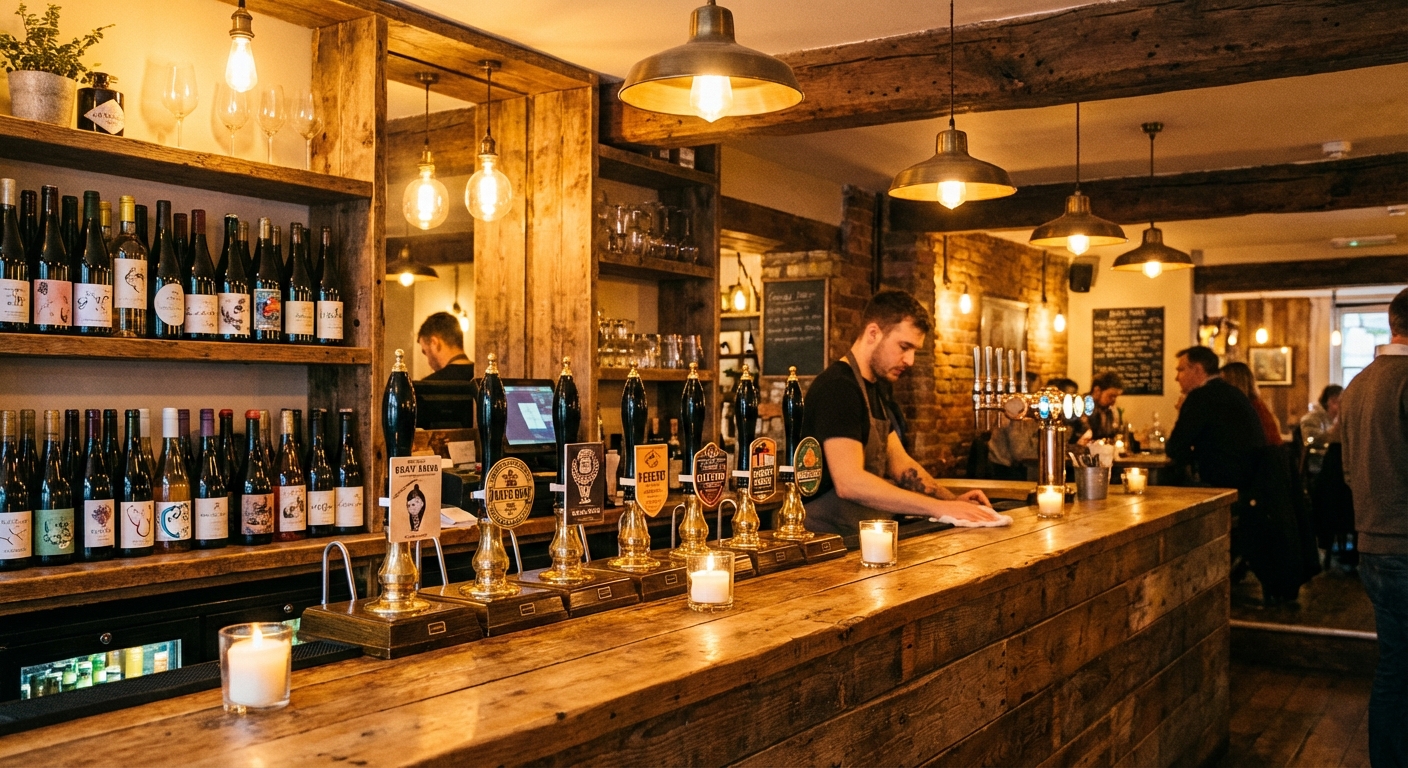
Craft Beer and Natural Wine Purchasing Guide for Restaurants
Build a profitable craft beer and natural wine program with the right margins, turnover rates, and supplier relationships. Here's the numbers-grounded guide.
Craft Beer and Natural Wine Purchasing Guide for Independent Restaurants
Craft beer and natural wine have moved from niche to mainstream. Your guests expect interesting options — the days of a generic domestic lager and a house chardonnay are mostly over for independent restaurants competing on experience.
But buying these categories well is genuinely tricky. Margins, storage, shelf life, supplier relationships, and guest preferences all intersect. This guide gives you a practical, numbers-grounded framework for building a profitable, manageable program.
Why These Categories Are Different
Craft beer — made by small, independent breweries — comes in a huge variety of styles, formats, and shelf lives. A hazy IPA from a local brewery might have a 90-day freshness window. A Belgian quad might improve with a year of cellaring. Each product needs to be evaluated differently.
Natural wine — loosely defined as wine made with minimal intervention, often with no added sulfites — tends to be more volatile than conventional wine. It's sensitive to temperature, has a shorter open-bottle window, and varies batch to batch. What you tasted at the importer's tasting event may taste different in the bottle you receive six months later.
Both categories attract knowledgeable customers — which is great for sales, but also means your staff needs to understand what they're serving.
Building Your Craft Beer Program
Start Small and Rotate
A sustainable starting point for a 60–80 seat independent restaurant:
- Draft: 4–8 taps maximum (including 1 domestic macro as a price anchor)
- Canned/bottled: 8–12 options, rotating 2–3 seasonally
This keeps product fresh and creates the rotation energy that craft beer drinkers love.
Craft Beer Pricing: The Math
The industry standard pour cost target for beer is 20–30%.
Draft beer:
- Half-barrel keg of local IPA: $180–$220 wholesale
- Half-barrel yields approximately 124 16-oz pints (~15% waste and foam)
- Cost per pint: $200 ÷ 124 = $1.61
- At $8/pint: pour cost = $1.61 ÷ $8 = 20.1% ✓
Canned beer:
- 4-pack of local craft cans at $12–$15 wholesale = $3–$3.75/can
- Must price at $8–$10+ per can to approach acceptable pour costs
Draft beer almost always has better economics than canned for high-volume items.
Draft Line Quality
Lines must be cleaned every 2 weeks — non-negotiable if you're serving craft beer to guests who know what it should taste like. Professional line cleaning: $80–$120/visit. A contaminated line ruins a keg and your reputation with craft beer drinkers simultaneously.
Building Your Natural Wine Program
What Natural Wine Means
There's no legal definition. In practice, natural wine generally means: organically or biodynamically farmed grapes, minimal or no added sulfites, fermented with native yeasts, and no additions like acid, sugar, or color stabilizers.
The lack of preservatives means natural wines are more fragile — they oxidize faster after opening and are more temperature-sensitive in storage.
Work With a Specialist Rep
The best natural wine programs are built on relationships with 1–2 reps who specialize in the category. Ask them:
- What's the expected shelf life after I receive this bottle?
- Does this producer use any sulfites? How much?
- Is this batch or vintage different from the previous one?
That last question matters — natural wine is inconsistent by nature.
Natural Wine Pricing
Bottle pricing formula: Wholesale Cost × 2.5 to 3.5
| Wholesale Cost | Bottle Price Range |
|---|---|
| $14 | $38–$49 |
| $22 | $55–$77 |
| $35 | $87–$122 |
By-the-glass: A 750ml bottle yields approximately 5 glasses (5 oz pours). If glass price × 5 > bottle price, you're good.
Example: $14 wholesale → charge $10/glass → 5 glasses × $10 = $50 revenue on $14 cost = 28% pour cost ✓
Managing Natural Wine Turnover
- Don't buy more than 2–4 weeks of supply for delicate bottles
- Use a wine preservation system (Coravin for still wines, nitrogen dispensers for by-the-glass programs)
- Consider by-the-bottle-only policy for very fragile natural wines rather than offering by the glass
- Track which bottles aren't moving and adjust your order accordingly
Beverage Menu Structure That Works
Beer: One domestic lager (price anchor, $5–$6) + 2 local draft options (rotating, $7–$9) + 1 non-local craft name ($7–$8) + 4–6 canned/bottled options ($6–$10).
Wine: 2–3 natural/minimal-intervention bottles by the glass ($10–$14/glass) + 6–10 bottles (mix of approachable and interesting) + 1–2 feature bottles.
Zero-proof: A $6 house-made shrub soda or non-alcoholic sparkling wine at $10 extends your reach to non-drinkers and carries excellent margins.
Weekly Alcohol Inventory
Count alcohol inventory weekly, not monthly:
- Alcohol is a high-theft category
- Craft beer and natural wine have real expiration windows
- Weekly counts catch slow-movers before they expire
Track weekly: bottles/kegs on hand vs. last count, variance from sales expectations, and pour cost % by category. If beer pour cost is running 35% instead of 25%, something is wrong.
Frequently Asked Questions
What's a good starting pour cost target for craft beer?
Aim for 20–25% pour cost for draft beer and 25–35% for canned/bottled craft. If you're above 30% on draft, revisit your pricing or keg selection. Canned craft is harder to margin than draft, which is why draft programs almost always perform better financially.
How do I price natural wine by the glass?
Divide your wholesale bottle cost by 5 to get your minimum glass price at a 20% pour cost. In practice, price natural wine glasses at $10–$16 to hit 25–35% pour cost. Be transparent with guests about what makes these wines special — the story justifies the price.
How often should I clean restaurant draft beer lines?
Every 2 weeks minimum for any restaurant serving craft beer. Weekly cleaning is better if you're running a lot of hop-forward styles (IPAs) that leave residue quickly. A dirty line creates off-flavors that craft beer guests will immediately notice.
Should I offer natural wine by the glass or bottle only?
Both, ideally — but for very delicate natural wines with no sulfites, by-the-bottle-only is safer. It protects quality and prevents waste from bottles that don't sell fast enough. By-the-glass works better for approachable natural wines with some structure that can hold up overnight with proper preservation tools.
Ready to take control of your food costs? Try CostLab free for 14 days →
Track Food Cost on Every Dish — Automatically
CostLab.AI calculates food cost percentage in real time. Update one ingredient price and see the impact across your entire menu instantly.
Start Free Trial →