How to Negotiate with Food Suppliers: Scripts That Work
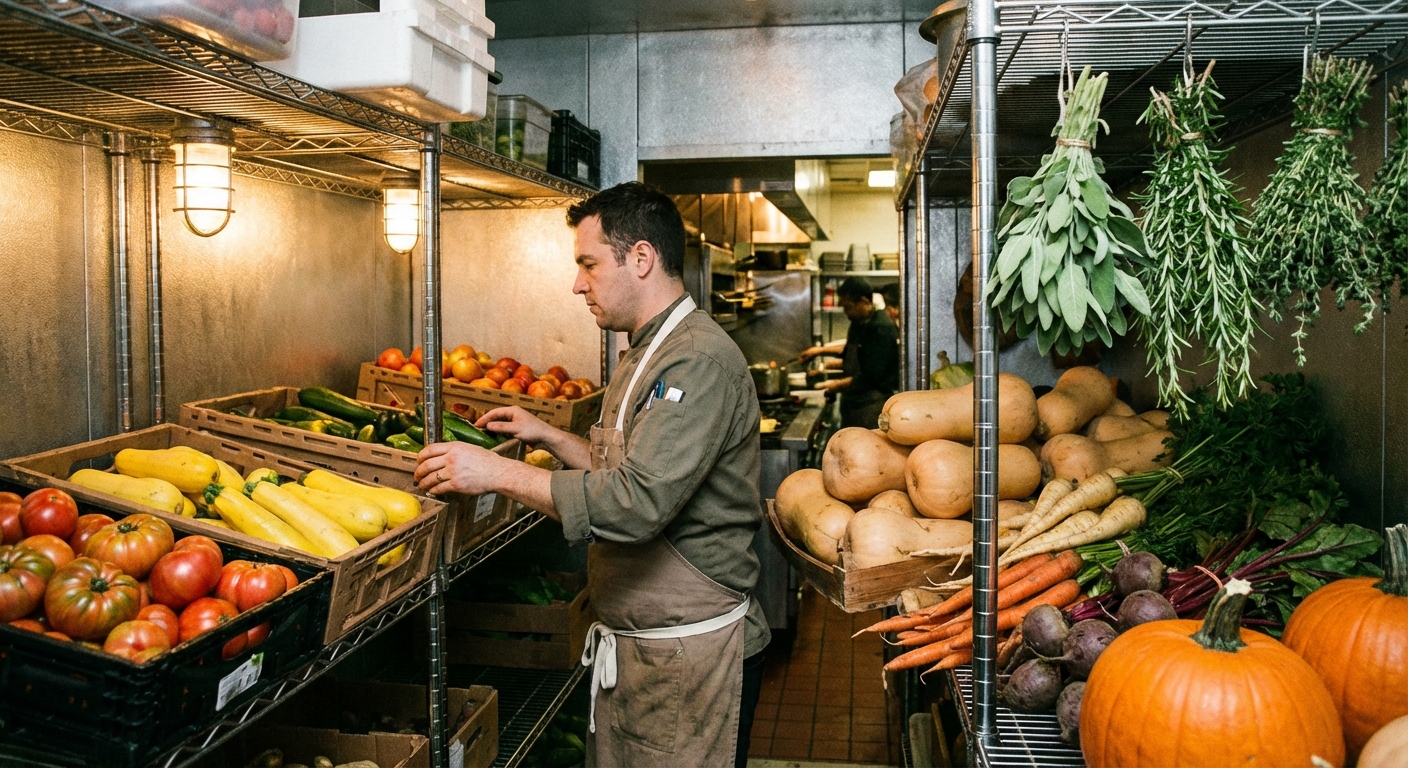
Negotiating with restaurant food suppliers can save thousands annually. Real scripts, tactics, and market basket strategies to lower your food costs without switching distributors.
Control what comes in the back door โ suppliers, ordering, receiving, shrinkage.

Negotiating with restaurant food suppliers can save thousands annually. Real scripts, tactics, and market basket strategies to lower your food costs without switching distributors.

Learn how to calculate restaurant PAR levels to stop over-ordering, reduce waste, and keep your walk-in stocked without tying up cash.

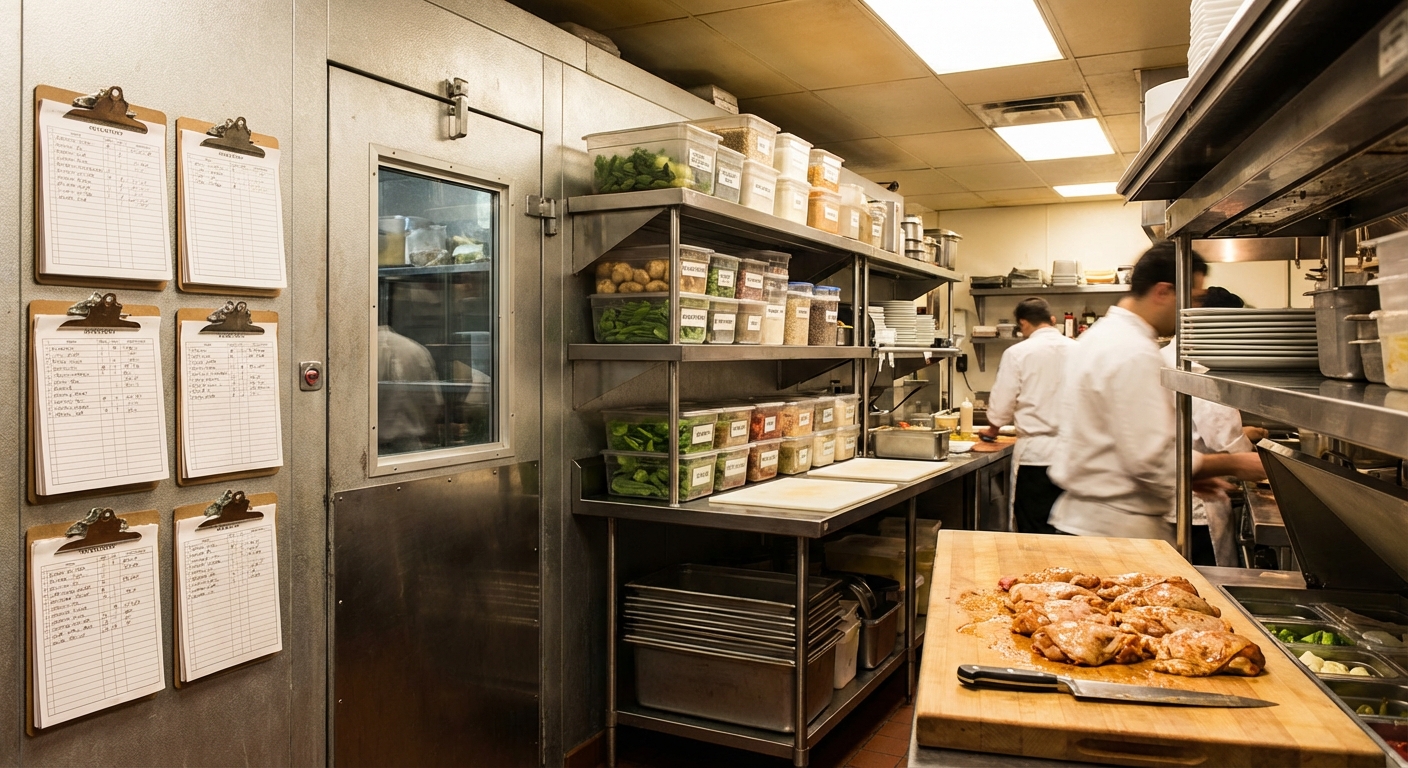
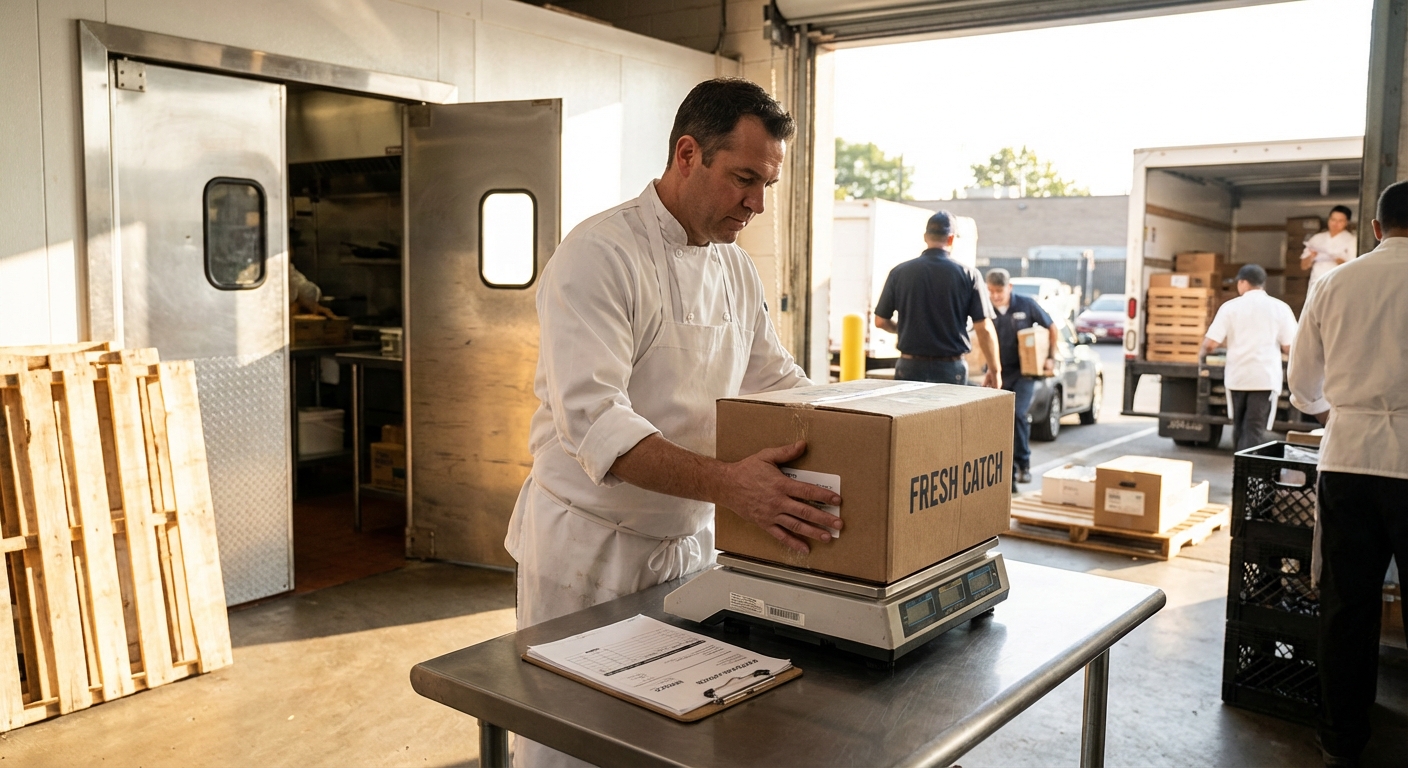
A proper restaurant receiving process catches short-weights, invoice errors, and substituted products before they hit your food cost. Here's a step-by-step guide.

Understand the difference between cost-plus and markup distributor pricing, how to negotiate better terms, and what hidden fees to watch for on food invoices.

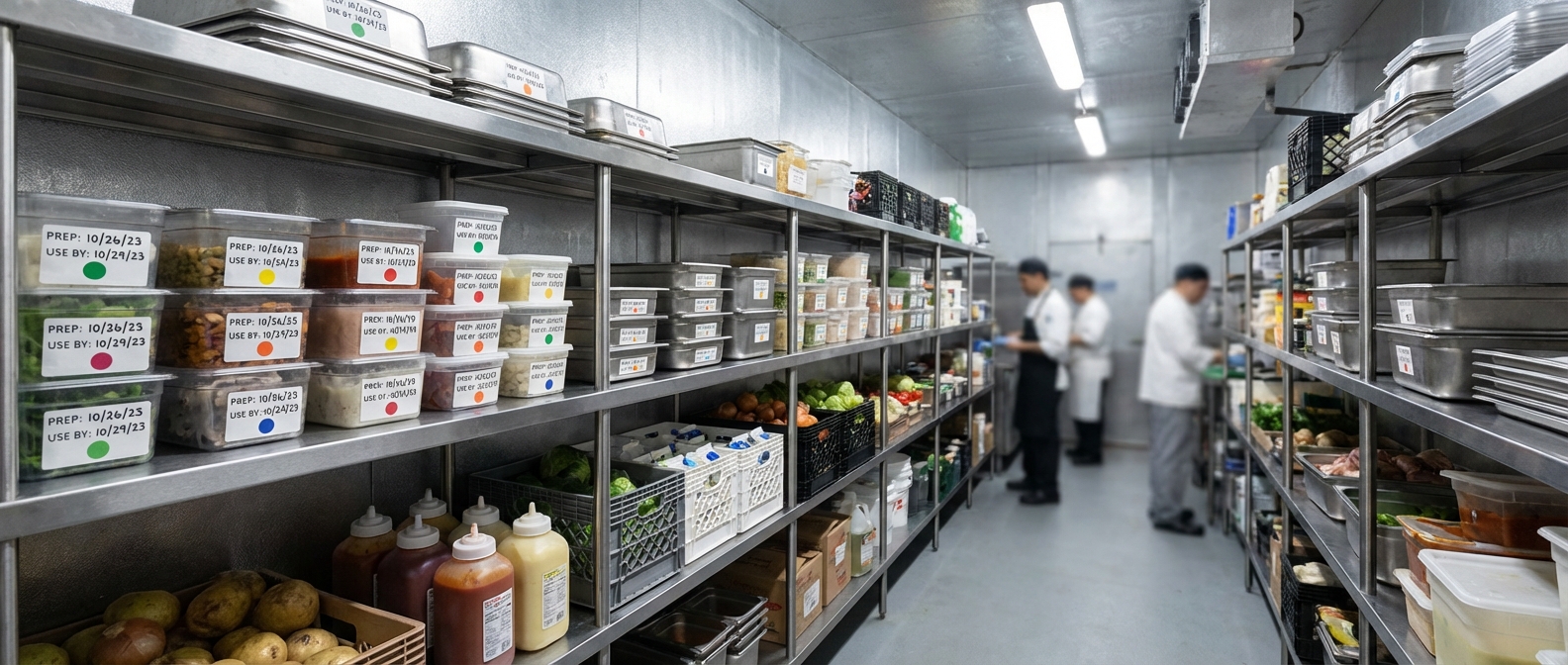
FIFO (First-In, First-Out) is the most effective food storage system for reducing waste and passing health inspections. Here's how to implement it correctly in your restaurant.

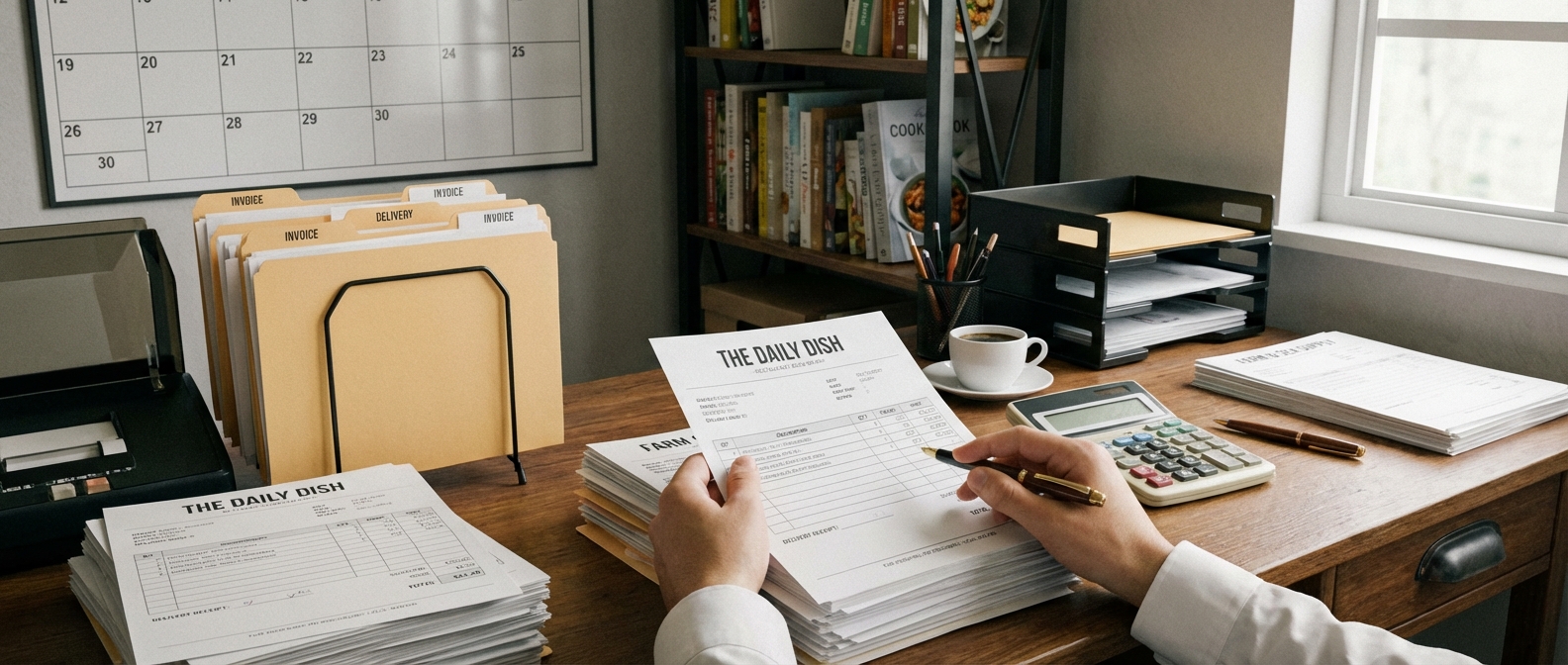
Vendor billing errors cost restaurants thousands annually. A consistent invoice reconciliation process catches overcharges, short shipments, and price creep before they drain your margins.

A clumsy seasonal menu transition can waste $600โ$1,200 in a single week. Here's the 3-week countdown system that keeps your food cost percentage in check.

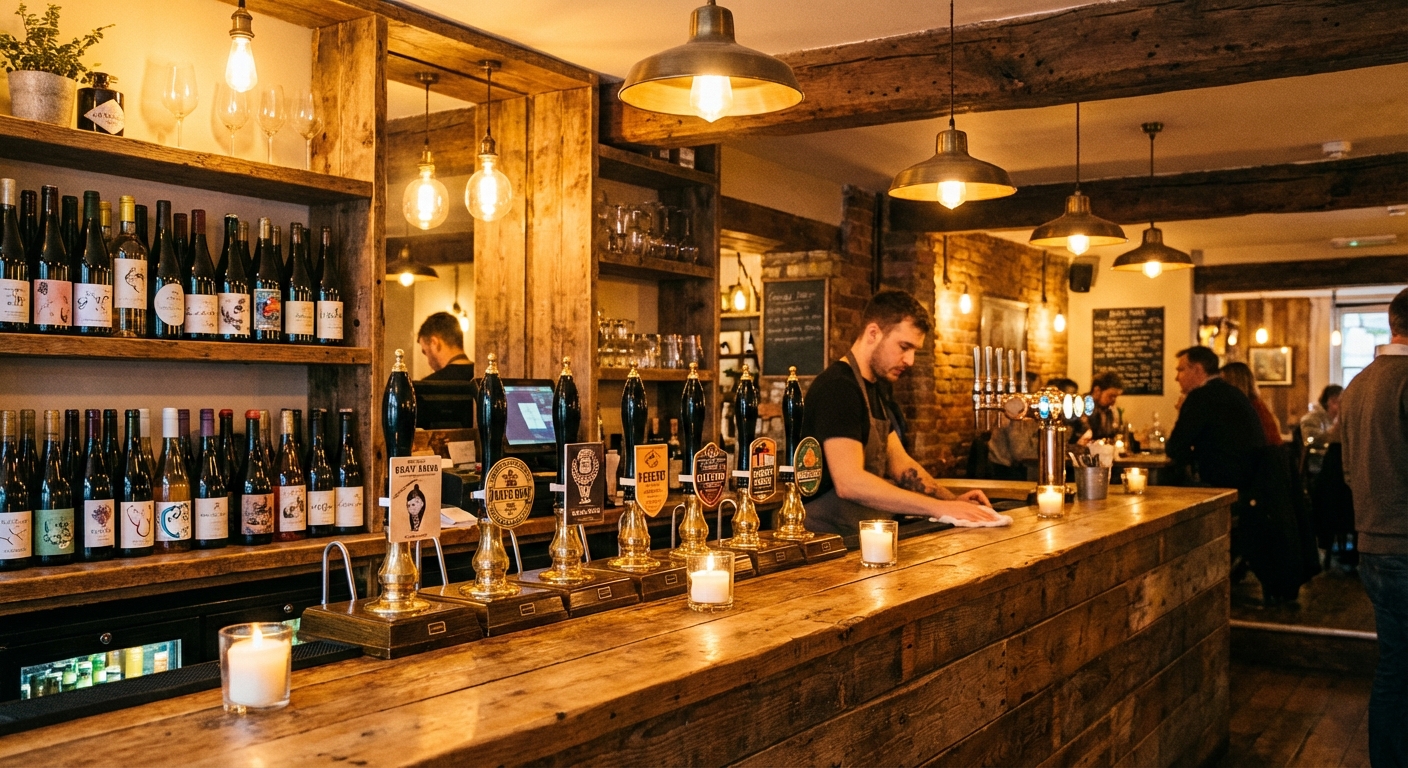
Build a profitable craft beer and natural wine program with the right margins, turnover rates, and supplier relationships. Here's the numbers-grounded guide.

Moving from COD to net-30 with your main distributor can free up $15,000โ$40,000 in working capital. Most operators don't know they can negotiate. Here's how.

Tight restaurant inventory management is one of the most direct ways to reduce food costs. Learn FIFO, par levels, variance tracking, and how to build a system that works.

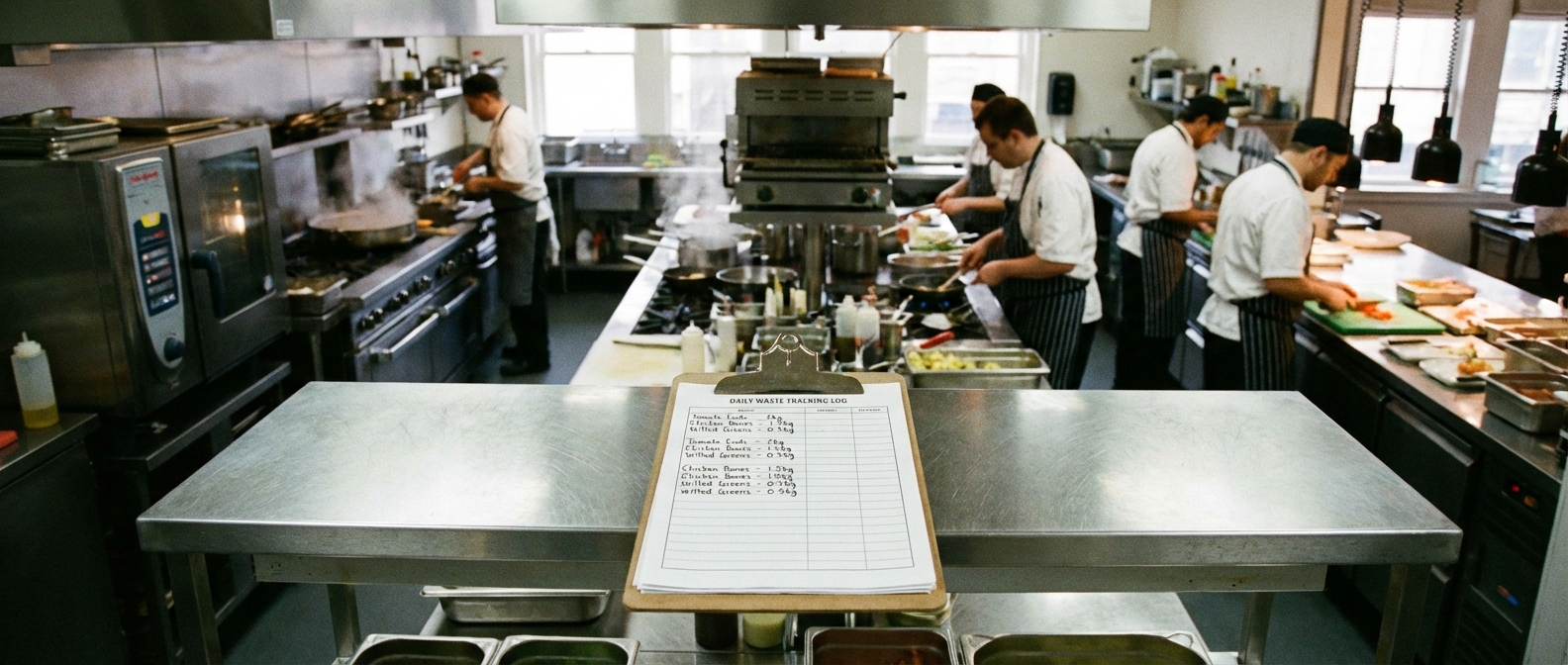
A restaurant waste log turns invisible food loss into actionable data. Here's how to build one, track it consistently, and use it to meaningfully reduce your food cost.